Gui Zhi (Cinnamon Twig) is a warm, sweet, and pungent herb in Traditional Chinese Medicine (TCM) known for releasing the exterior, warming the meridians, and unblocking Yang. It is commonly used to treat colds, chills, muscle stiffness, and joint pain, as well as to harmonize the Ying and Wei levels. Gui Zhi is distinct from Rou Gui (Cinnamon Bark) in that it is milder, lighter, and primarily used to promote circulation at the surface and in the channels.
As a classic herb with over 2000 years of clinical use, Gui Zhi is one of the most fundamental ingredients in many traditional formulas.
Functions & Benefits
Releases the Exterior and Assists the Yang• Dispels wind-cold from the superficial layers of the body• Used in early-stage colds with chills, fever, sweating, and muscle stiffness• Harmonizes the Ying and Wei—used when sweating is either too much or not enough
Warms and Unblocks the Channels and Collaterals• Improves blood and Qi flow in cases of cold-induced joint pain or stiffness• Effective for cold Bi syndrome, arthritis, and menstrual cramps due to cold• Warms the limbs and relieves pain in cold, deficient individuals
Warms the Yang and Transforms Thin Mucus• Used in cases of cold-phlegm accumulation in the chest with cough and congestion• Gently stimulates circulation of fluids to resolve phlegm and dampness
Assists Heart Yang and Unblocks Chest Yang• Used in chest pain or palpitations due to Yang deficiency• Supports circulation of Heart Qi and blood in cold-type cardiac syndromes
Indications (Who Can Benefit from It?)✔ Individuals with wind-cold symptoms: chills, fever, aversion to cold, body aches✔ People with cold-type arthritis or joint stiffness✔ Women with menstrual cramps or delayed menstruation due to cold✔ Individuals with palpitations, chest discomfort, or cold extremities✔ Those with weak circulation, fatigue, or spontaneous sweating
Tongue & Pulse Diagnosis in TCMTongue: Pale with thin white coating (indicates cold and Yang deficiency)Pulse: Floating and moderate (wind-cold invasion) or deep and slow (internal cold)
Related TCM PatternsWind-Cold Invasion – Chills, mild fever, muscle pain, aversion to windCold Bi Syndrome – Joint stiffness and pain relieved by warmthCold in the Uterus – Delayed menstruation, cramps, or infertilityYang Deficiency with Cold – Fatigue, cold limbs, pale complexionDisharmony of Ying and Wei – Spontaneous sweating, chills, or weak immunity
Clinical Applications (For Reference Only)Early-Stage Common Cold – Induces gentle sweating to resolve wind-coldMenstrual Pain – Warms and invigorates blood in cold-type dysmenorrheaArthritis and Joint Pain – Relieves stiffness and improves circulation in cold conditionsPostpartum Recovery – Used in formulas to warm the uterus and restore YangSpontaneous Sweating – Helps regulate the exterior and harmonize protective Qi
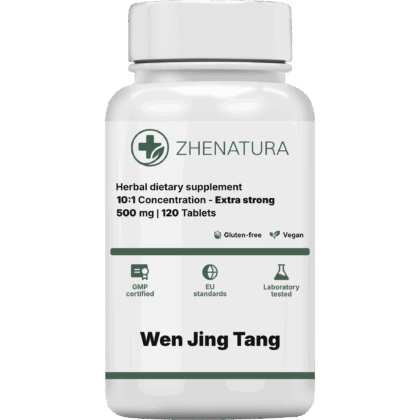
Common Herbal Formulas with Gui Zhi• Gui Zhi Tang – For wind-cold with sweating and disharmony of Ying and Wei• Xiao Jian Zhong Tang – For abdominal pain due to cold and deficiency• Wen Jing Tang – For menstrual disorders due to cold and blood stasis• Ling Gui Zhu Gan Tang – For phlegm-damp retention with chest fullness• Dang Gui Si Ni Tang – For cold extremities due to blood and Yang deficiency
Precautions & ContraindicationsAvoid in cases of excess heat or Yin deficiency with heat signsNot suitable for use during high fever without chills or in true heat syndromesUse with caution in pregnancy, especially in high doses or in formulas that move bloodMay cause excessive sweating in weak individuals if not properly balanced
Lifestyle & Dietary Recommendations✔ Eat warming foods like cinnamon, ginger, lamb, and red dates to support Yang✔ Dress warmly, especially around the neck and back during colder seasons✔ Avoid cold and raw foods that hinder circulation and digestion✔ Gentle warming movement like Tai Chi or brisk walking helps stimulate Yang Qi
ConclusionGui Zhi (Cinnamon Twig) is a foundational herb in TCM that releases exterior cold, warms circulation, and supports Yang Qi. It is versatile and safe when used appropriately and plays a key role in formulas for colds, pain, menstrual disorders, and cold-related deficiency. Its ability to harmonize the body’s surface and interior makes it one of the most balanced and trusted warming herbs in Chinese medicine.