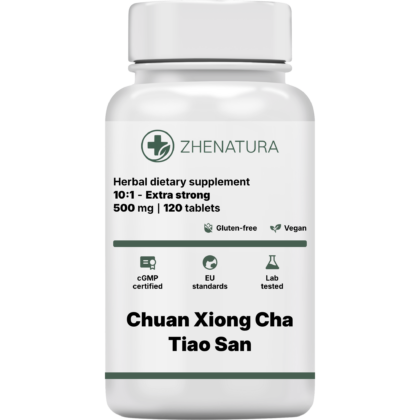
Fragrant angelica root (Bai-zhi) – The Herb Used in Traditional Systems to Support Normal Sinus Health and Headache ReliefFragrant angelica root (Bai-zhi), also known as "Angelica dahurica" or "White Angelica," is the traditional Chinese name for the dried root of Angelica dahurica, a warm, acrid herb from the angelica family that has been part of traditional Chinese herbal systems for over 2000 years. This warm, aromatic herb is particularly known for its ability to support normal sinus health, relieve normal headaches, restore normal respiratory comfort, ease normal facial and tooth pain and promote normal skin health – making it an ideal choice for people with a tendency toward normal sinus congestion, normal frontal headaches and normal respiratory discomfort.Traditional Understanding in TCM SystemsWithin traditional Chinese medicine, fragrant angelica root (Bai-zhi) is described as a warm, acrid herb with penetrating character and very aromatic nature. In the TCM theoretical framework, it acts on the so‑called Lung and Stomach meridians. According to this traditional description, fragrant angelica root (Bai-zhi) specializes in normal "wind expulsion," helps "open normal sinus passages," "relieves normal headaches" and "eases normal facial pain" – crucial TCM concepts for normal upper-body health and normal sensory comfort.Fragrant angelica root (Bai-zhi) is seen in TCM as a classical "wind-expelling and sinus-opening" herb – one of the most important herbs for normal sinus congestion. It is traditionally used to promote normal sinus health, support normal clear head function, ease normal frontal headaches, relieve normal facial pain and regulate normal respiratory comfort.Special Property: Acrid and PenetratingFragrant angelica root (Bai-zhi) distinguishes itself by its very acrid and penetrating character, which promotes very direct sinus opening. This character means it is very effective for normal upper-body blockages.Botanical Composition and ResearchFragrant angelica root (Bai-zhi) contains over 150 bioactive compounds, of which the main ones are:Coumarins (furanocoumarins – over 150 types identified: oxypeucedanin, bergapten, byakangelicin, scopoletin, angelol I, angelol H)Essential oils (volatile components – main aroma basis)Flavonoids (quercetin, kaempferol)Polyphenols and tanninsPolyacetylenesPolysaccharidesModern scientific research shows that fragrant angelica root (Bai-zhi) components can offer diverse benefits:Normal sinus health support: Studies show that coumarins and essential oils can help open normal sinus passages by supporting normal inflammation balance in mucous membranes.Normal anti-allergy action: Research shows that certain coumarins (especially oxypeucedanin hydrate, bergapten, byakangelicin) can help regulate normal histamine release – which can help normalize normal allergic reactions. Coumarins act as normal histamine-H1 receptor antagonists.Normal pain relief: fragrant angelica root (Bai-zhi) contains analgesic components that can help relieve normal headaches, normal facial pain and normal tooth pain.Anti-inflammatory action: Coumarins can maintain normal inflammation balance by regulating normal TNF-α, IL-1β and IL-4 levels.Antioxidant activity: Flavonoids and polyphenols possess strong free-radical-fighting action.Normal skin health: Traditionally and modernly supported for normal surface skin health.Traditional Applications – TCM ContextIn traditional TCM formulas, fragrant angelica root (Bai-zhi) is classically used in situations described as:Normal sinus congestion or normal stuffy noseNormal rhinitis or normal epistaxis (nosebleeds)Normal frontal headaches or normal sinus-related headachesNormal facial pain or normal trigeminal-like painNormal tooth pain (especially upper-jaw tooth pain)Normal abnormal discharge in women (leucorrhea-related)Normal cold-damp painNormal acne or normal skin irritations with wind characterNormal eczema or normal skin discomfort (topical use)Normal respiratory discomfort with sinus characterThese are traditionalist descriptions that form part of the TCM thinking system and must not be equated with medical diagnoses in the sense of European medicinal product law.Warm and Sinus-Opening CharacterFragrant angelica root (Bai-zhi) is traditionally seen as a "warm," "acrid" and "sinus-opening" herb – which effectively addresses normal sinus-congestion patterns. This makes it particularly suitable for people with a tendency toward normal sinus problems.Classical Formula: Cang Er Zi SanA famous classical application is in the formula "Cang Er Zi San" (Xanthium Formula), traditionally used for over 700 years for normal sinus congestion and normal rhinitis. This very famous formula contains fragrant angelica root (Bai-zhi) as a core ingredient, combined with Cang Er Zi (xanthium), Xin Yi Hua (magnolia) and Bo He (mint).Other Classical Formulas:Chuan Xiong Cha Tiao San: for normal frontal headachesXin Yi San: for normal sinus congestionJing Jie Lian Qiao Tang: for normal sinus healthPreparation and DosageFragrant angelica root (Bai-zhi) is traditionally:Built into formulas (usually 3–9g)Prepared as teaExternal application as powder on skinCAUTION: FURANOCOUMARINS SENSITIZATIONFragrant angelica root (Bai-zhi) contains furanocoumarins which in very rare cases can cause photodermatitis (sun sensitivity) with external application. For internal use in traditional dosage, this risk is minimal, but:Avoid extended sun exposure after external applicationNOT for pregnant women (traditionally contraindicated)NOT for individuals with Yin deficiency (according to TCM theory)Seasonality and Daily UseFragrant angelica root (Bai-zhi) is traditionally used especially during seasons with sinus problems (spring, early fall). It can be used for short-term support, but NOT for long-term continuous daily standalone use.Well-being and Daily UseFragrant angelica root (Bai-zhi) is valued by modern users as part of professional TCM formulas for normal sinus health, normal headache relief and normal respiratory comfort. This herb can also traditionally be used as tea in specific contexts.Many users see fragrant angelica root (Bai-zhi) as part of seasonal health practices – as a warm, sinus-opening element for normal health, ALWAYS under the guidance of a qualified TCM doctor.Very Safe Profile (In Normal Dosage)Fragrant angelica root (Bai-zhi) is known as one of the safest aromatic wind-expelling herbs in TCM. It has minimal toxicity in normal dosage and is widely used in professional TCM for all adults.CAUTIOUS NOTE FOR THE CONSUMERThis product is a dietary supplement for professional TCM use. TCM terms such as Wind Expulsion, Sinus Opening, Normal Pain Relief are system concepts that form part of a traditional thinking system and must not be directly equated with anatomical structures or disease explanations in modern medicine.If you have persistent sinus problems, severe headaches or normal respiratory problems, you should always consult a qualified TCM doctor or medical expert BEFORE using this herb long-term.CAUTION: External application can cause photodermatitis sensitivity – avoid direct sun exposure.