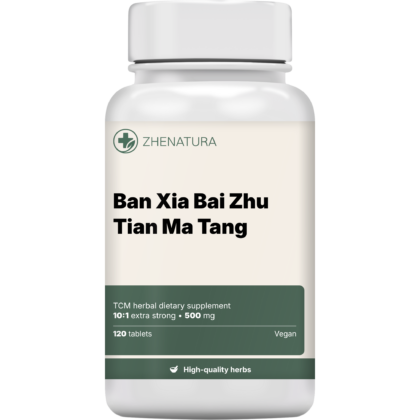
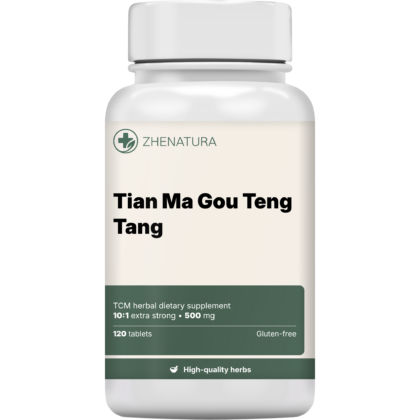
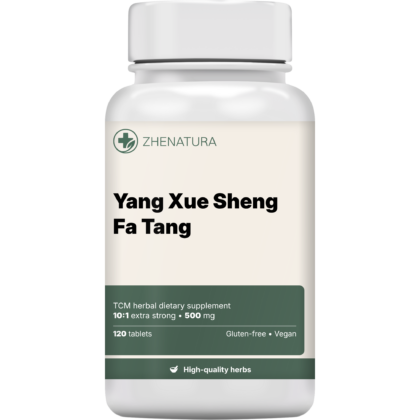
Gastrodia Rhizome
Gastrodia Rhizome (Tian Ma) – The Botanical Used in Traditional Systems to Support Head Comfort and Neurological Balance
Gastrodia rhizome (Tian Ma) is the traditional Chinese medicine name for the dried tuber of Gastrodia elata, a highly revered, unique orchid that has been part of traditional East Asian herbal systems for over 2000 years. It is regarded as a harmonizing and grounding herb, particularly suitable for formulas aimed at soothing head tension, supporting neurological comfort, and calming involuntary physical movements.
Traditional Understanding in TCM Systems
Within traditional Chinese medicine, Gastrodia rhizome (Tian Ma) is described as a calming substance with sweet and neutral properties. In the TCM theoretical framework, it acts primarily on the so-called Liver meridian. According to this traditional description, Gastrodia rhizome (Tian Ma) pacifies the Liver and extinguishes “Internal Wind” – a TCM concept that refers to erratic, upward-moving energy that causes dizziness, tremors, or sudden shifts in the body. When Liver energy loses its anchor, related discomforts in the head or nervous system can arise. Gastrodia rhizome (Tian Ma) helps perform this “anchoring and stilling” effect.
In TCM formulas, Gastrodia rhizome (Tian Ma) is seen as a botanical that helps support normal nervous system function, quiet a spinning sensation in the head, and soothe muscle spasms. It is traditionally used to promote clear-headedness, alleviate severe tension headaches, reduce numbness or tremors, and foster a general sense of neurological stability.
Botanical Composition and Research
Gastrodia rhizome (Tian Ma) contains primarily unique phenolic compounds (such as gastrodin and gastrodigenin), parishins, vanillyl alcohol, and various polysaccharides. This phytochemical profile is connected in traditional applications with support for brain health, microcirculation, and the relaxation of nerve tissues.
Modern scientific research shows that Gastrodia rhizome extracts can offer specific benefits. Studies show that Gastrodia rhizome (Tian Ma) preparations:
-
Possess antioxidant activity and can combat free radicals in the brain.
-
Can have neuroprotective properties, supporting overall cognitive health.
-
Can support normal blood circulation to the brain, helping alleviate tension and dizziness.
-
Can possess mild anticonvulsant and muscle-relaxing properties.
-
Contain gastrodin, which is widely studied for its ability to support a healthy nervous system response and balance neurotransmitters.
-
Can work supportively to regulate normal sleep patterns and ease mental stress.
-
Are used in traditional formulas with enhanced effects on mitigating migraines and vertigo.
Scientists particularly investigate how the phenolic compounds of the tuber can contribute to normal vascular function in the brain and a healthy, balanced nervous system.
Traditional Applications – TCM Context
In traditional TCM formulas, Gastrodia rhizome (Tian Ma) is classically used in situations described as:
-
Dizziness, vertigo, or a feeling of the room spinning.
-
Headaches, particularly tension headaches or migraines focused on the sides of the head.
-
Numbness, tingling, or weakness in the limbs.
-
Tremors, tics, or involuntary muscle spasms.
-
Stiff neck or jaw associated with internal tension.
-
Restless sleep linked to an overactive nervous system or “Wind.”
These are traditionalist descriptions that form part of the TCM thinking system and must not be equated with medical diagnoses in the sense of European medicinal product law.
Well-being and Daily Use
Gastrodia rhizome (Tian Ma) is valued by modern users as part of a conscious wellness routine aimed at neurological comfort, head tension relief, and balance, especially for those experiencing stress-induced headaches, dizziness, or aging-related cognitive changes. The botanical works optimally in balanced herbal mixtures, combined with adequate rest, stress-management techniques, and a lifestyle that minimizes sensory overload.
Many users see Gastrodia rhizome (Tian Ma) as part of a targeted approach to maintaining a clear head and a steady, relaxed nervous system – as a supportive element in traditional routines, alongside professional guidance and regular medical care when needed.