Para-Aminobenzoic Acid
Para-Aminobenzoic Acid (PABA) – Natural nutrient used to support skin, hair, and gut flora
Para-aminobenzoic acid, commonly known as PABA and sometimes informally referred to as vitamin B10, is an organic compound. It is used in dietary supplements to support natural skin and hair care and as a building block for a healthy gut flora, as part of a balanced lifestyle.
Characteristics, Origin, and Composition
PABA is naturally found in foods such as whole grains, eggs, milk, and organ meats. Additionally, healthy gut bacteria are capable of synthesizing it naturally. In the body, it serves as an essential building block for the production of folic acid. For high-quality dietary supplements, PABA is typically produced through controlled synthesis or fermentation. This yields a highly pure, stable, crystalline powder that is easily absorbed by the body.
Use in Dietary Supplements
PABA is commonly used:
In skin and hair formulas, due to its traditional association with maintaining natural hair color and normal pigmentation.
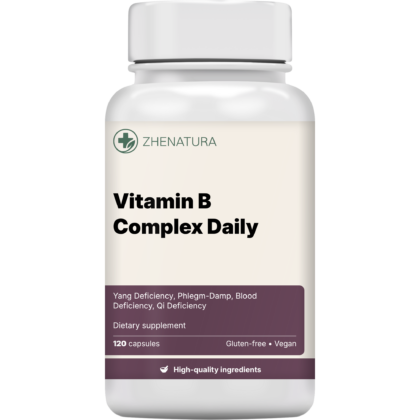
In vitamin B-complexes, to support overall vitality and for its synergistic action with other B vitamins.
In specific gut health blends, to support intestinal bacteria in their own production of folic acid.
The dosage typically ranges from tens to hundreds of milligrams per serving. It is usually supplied in capsules or tablets, often combined within a broader B-complex.
Everyday Use and Well-Being
When used in appropriate amounts, PABA can help support internal well-being and external care, alongside a varied diet. Dietary supplements do not replace proper nutrition or medical treatment. Because PABA can interfere with the efficacy of some medications (such as sulfonamide antibiotics), individuals taking specific medications, as well as pregnant or breastfeeding women, should seek advice from a doctor or other qualified health professional before using supplements.