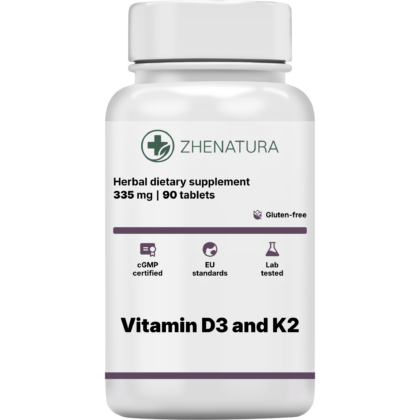
Vitamin D3 preparation (cholecalciferol) – Fat‑soluble vitamin in dietary supplementsVitamin D3 preparations contain cholecalciferol, a fat‑soluble form of vitamin D used in dietary supplements to help provide a defined daily intake of vitamin D. The active ingredient is usually dissolved or dispersed in an appropriate fat or oil base, because vitamin D3 is fat‑soluble and sensitive to light, oxygen, and heat. Vitamin D3 is available in a range of doses and dosage forms, including capsules, tablets, drops, and sprays.Source, technological form, and compositionVitamin D3 for supplements is typically produced industrially, for example from lanolin (wool fat) or other raw materials, then purified and standardised. The highly concentrated cholecalciferol is incorporated in very small amounts into a carrier, such as vegetable oils or excipient blends used in solid dosage forms. The result is a diluted preparation that provides a precisely defined amount of vitamin D3 per drop, capsule, or tablet, expressed in micrograms (µg) and/or International Units (IU). In addition to the vitamin itself, antioxidants, emulsifiers, or other excipients may be included to support stability, shelf‑life, and processing characteristics.Role in dietary supplements and formulationsVitamin D3 preparations are used in supplements to deliver a clearly declared daily amount of vitamin D3, either alone or in combination with other nutrients such as calcium, magnesium, vitamin K2, or multivitamin complexes. In oil‑based drops, vitamin D3 is usually dissolved directly in the oil phase, whereas tablets and capsules often rely on dry premixes or encapsulated forms. Manufacturers select dosage levels with reference to national and international recommendations, upper intake levels, and the needs of the intended user group (for example infants, children, adults, or older people), while also considering vitamin D from diet and sunlight.Use, labelling, and precautionsOn labels, a vitamin D3 preparation is typically declared as “vitamin D3”, “cholecalciferol”, or “vitamin D”, with the amount per serving stated in micrograms and often in IU, plus the percentage of the daily reference intake (% RI). The recommended daily intake should not be exceeded unless advised otherwise by a doctor or other qualified health professional. People with certain medical conditions (such as disorders of calcium or phosphate metabolism, kidney disease), those taking specific medications, pregnant or breastfeeding women, children, and older adults should discuss their total vitamin D intake – from sunlight, food, and supplements – with a healthcare professional.Everyday use and place in a healthy lifestyleVitamin D3 supplements are intended to complement, not replace, vitamin D obtained from a varied diet and sensible sun exposure, and they do not substitute for a healthy lifestyle. These products are not medicines and are not intended to diagnose, treat, cure, or prevent disease on their own. Anyone who is unsure about the appropriate dose, planning long‑term use, combining multiple supplements, or living with existing health conditions should seek advice from a doctor, pharmacist, or dietitian before starting or continuing higher‑dose vitamin D3 supplementation.