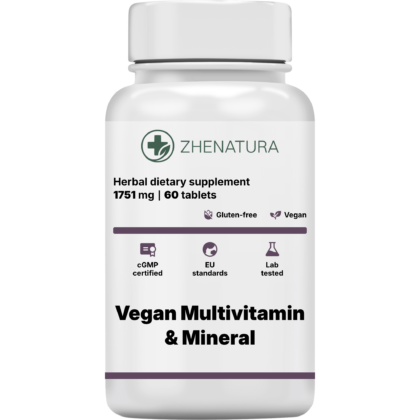
Copper Sulphate Anhydrous – Inorganic copper source and technological ingredientCopper Sulphate Anhydrous is an inorganic compound consisting of copper and sulphate ions in a crystal structure without water of crystallisation. In foods and dietary supplements, copper is typically provided in the form of copper salts (including copper sulphate) to deliver a precisely defined amount of copper as an essential trace element, or in very low levels as a technological aid. It is a mineral/trace‑element ingredient, not a herbal ingredient.Characteristics, origin, and compositionAnhydrous copper sulphate contains Cu²⁺ and SO₄²⁻ ions and has a relatively high copper content, so small quantities are sufficient to supply a given amount of copper. When used for food or supplement purposes, it must meet strict purity specifications to limit impurities. Because excessive copper intake can be toxic, the use of copper sulphate in nutrition is tightly regulated and dosing must remain within safe intake ranges.Role in dietary supplements and fortified foodsIn dietary supplements, copper is added as an essential trace element where dietary intake may be insufficient. Copper salts such as copper sulphate can be incorporated into tablets, capsules, powders, or liquid products. Labels normally declare the amount of copper per daily serving in milligrams, often with the corresponding percentage of the daily reference intake (% RI). In this context, copper sulphate serves as a source of copper ions; the physiological relevance lies in copper as a trace element rather than the sulphate component. In some categories, copper sulphate may also contribute to technological functions at very low use levels.Use, labelling, and safety considerationsOn product labels, copper is usually listed in the nutrition panel simply as “copper”, while the ingredient list may specify “copper sulphate” or another copper compound. The recommended daily intake must not be exceeded, and legal upper intake levels for copper from supplements apply in many jurisdictions. Excessive copper intake can cause gastrointestinal upset and, with very high or prolonged exposure, may adversely affect the liver and other organs. People with liver disease, disorders of copper metabolism (such as Wilson’s disease), children, pregnant or breastfeeding women, and individuals using multiple copper‑containing products should be particularly cautious and discuss use with a doctor or dietitian.Everyday use and place in a healthy lifestyleCopper is essential but has a relatively narrow safety margin between adequate and excessive intake. Supplements containing Copper Sulphate Anhydrous should therefore be taken only as directed and used to complement, not replace, a balanced diet. These products are not medicines and are not intended to diagnose, treat, cure, or prevent disease. Anyone uncertain about appropriate dosing, or about combining copper supplements with existing medical conditions or medication, should seek professional medical advice before starting or continuing use.