-
Log in to view price

Acute Allergy Support
-
Log in to view price

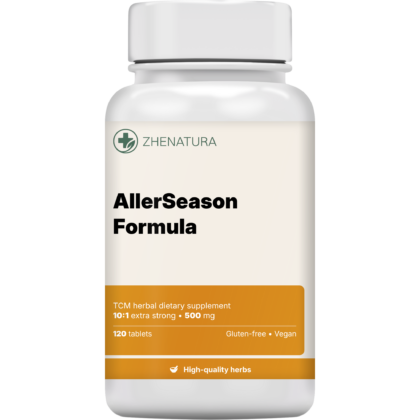
AllerSeason Formula
-
Log in to view price

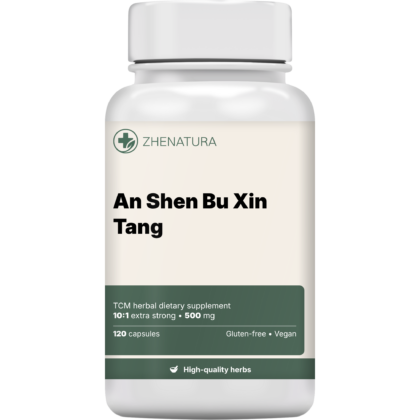
An Shen Bu Xin Tang
-
Log in to view price

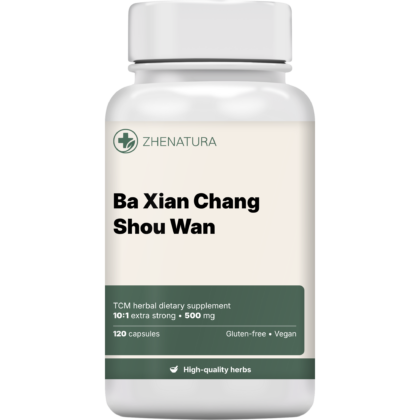
Ba Xian Chang Shou Wan
-
Log in to view price

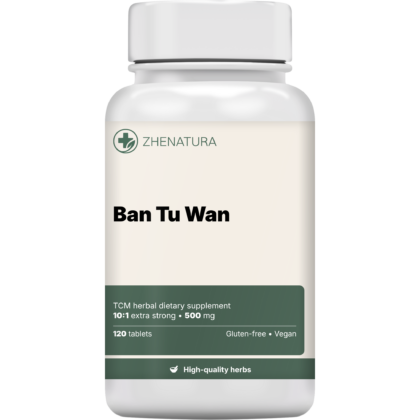
Ban Tu Wan
-
Log in to view price

Bi Yan Tang
-
Log in to view price

Bu Fei Tang
-
Log in to view price

Bu Nao Yang Shen Tang
-
Log in to view price

Celestial Heart Restore
-
Log in to view price

Chuan Bei Pi Pa San
-
Log in to view price

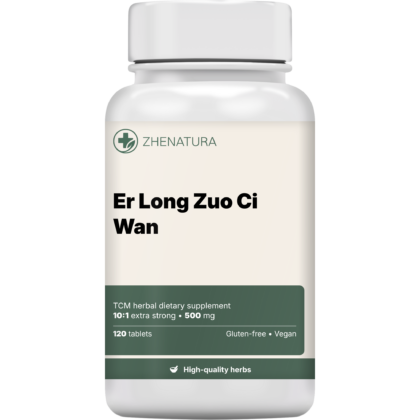
Er Long Zuo Ci Wan
-
Log in to view price

Flow Air Sinus Formula
Wu Wei Zi
Schisandra Fruit (Wu Wei Zi) – The Berry Used in Traditional Systems to Astringe Energy and Calm the Spirit
Schisandra fruit (Wu Wei Zi) is the traditional Chinese medicine name for the dried, ripe fruit of Schisandra chinensis (magnolia vine), a remarkable red berry that has been a cornerstone of traditional East Asian herbal systems for over 2000 years. Known historically as the “five-flavor berry,” it is regarded as a uniquely complex adaptogenic substance with slightly warm, astringent properties, particularly suitable for formulas aimed at preserving vital energy, supporting liver function, and soothing the mind.
Traditional Understanding in TCM Systems
Within traditional Chinese medicine, Schisandra fruit (Wu Wei Zi) is famous for containing all five basic tastes (sour, sweet, bitter, pungent, and salty), though the sour flavor is dominant. In the TCM theoretical framework, it acts primarily on the Lung, Kidney, and Heart meridians. According to this traditional description, Schisandra binds and astringes – preventing the leakage of “Qi” (energy) and bodily fluids, while simultaneously calming the so-called “Shen” (spirit or inner calm).
In TCM formulas, Schisandra fruit (Wu Wei Zi) is seen as a crucial stabilizing herb that helps consolidate the body’s resources. It is traditionally used to anchor the breath, control excessive sweating, retain vital essence, and soothe an unsettled heart or restless mind that prevents deep sleep.
Botanical Composition and Research
Schisandra fruit (Wu Wei Zi) contains a unique class of bioactive lignans (such as schisandrin, deoxyschisandrin, and gomisin), along with organic acids, volatile oils, and vitamins C and E. This phytochemical profile is connected in traditional applications with deep support for metabolic vitality and cellular protection.
Modern scientific research shows that Schisandra fruit extracts can offer specific benefits. Studies show that Schisandra fruit (Wu Wei Zi) preparations:
-
Act as potent adaptogens that help the body resist physical and mental stress
-
Can strongly support normal liver function and natural detoxification processes
-
Possess antioxidant activity that combats free radical damage
-
Can support normal respiratory function and physical endurance
-
Help promote normal cognitive function and mental clarity
-
Work supportively on a balanced nervous system and restful sleep
Scientists particularly investigate how the unique lignans of this berry can modulate the central nervous system and provide hepatoprotective (liver-protecting) effects against metabolic stress.
Traditional Applications – TCM Context
In traditional TCM formulas, Schisandra fruit (Wu Wei Zi) is classically used in situations described as:
-
Chronic shortness of breath or a persistent mild cough
-
Excessive sweating, particularly spontaneous day sweats or night sweats
-
Frequent urination or chronic loose stools due to systemic weakness
-
Palpitations, restlessness, or difficulty maintaining deep sleep
-
Poor memory, lack of focus, or nervous exhaustion
-
Excessive thirst and bodily dryness
These are traditionalist descriptions that form part of the TCM thinking system and must not be equated with medical diagnoses in the sense of European medicinal product law.
Well-being and Daily Use
Schisandra fruit (Wu Wei Zi) is valued by modern users as part of a conscious wellness routine aimed at stress resilience, liver support, and mental focus, especially for individuals experiencing burnout, physical exhaustion, or a scattered mind. The herb works optimally in balanced herbal mixtures, combined with a nutrient-dense diet, adequate hydration, and mindful rest practices.
Many users see Schisandra fruit (Wu Wei Zi) as part of a targeted approach to preserving foundational energy – as a supportive element in traditional routines, alongside professional guidance and regular medical care when needed.