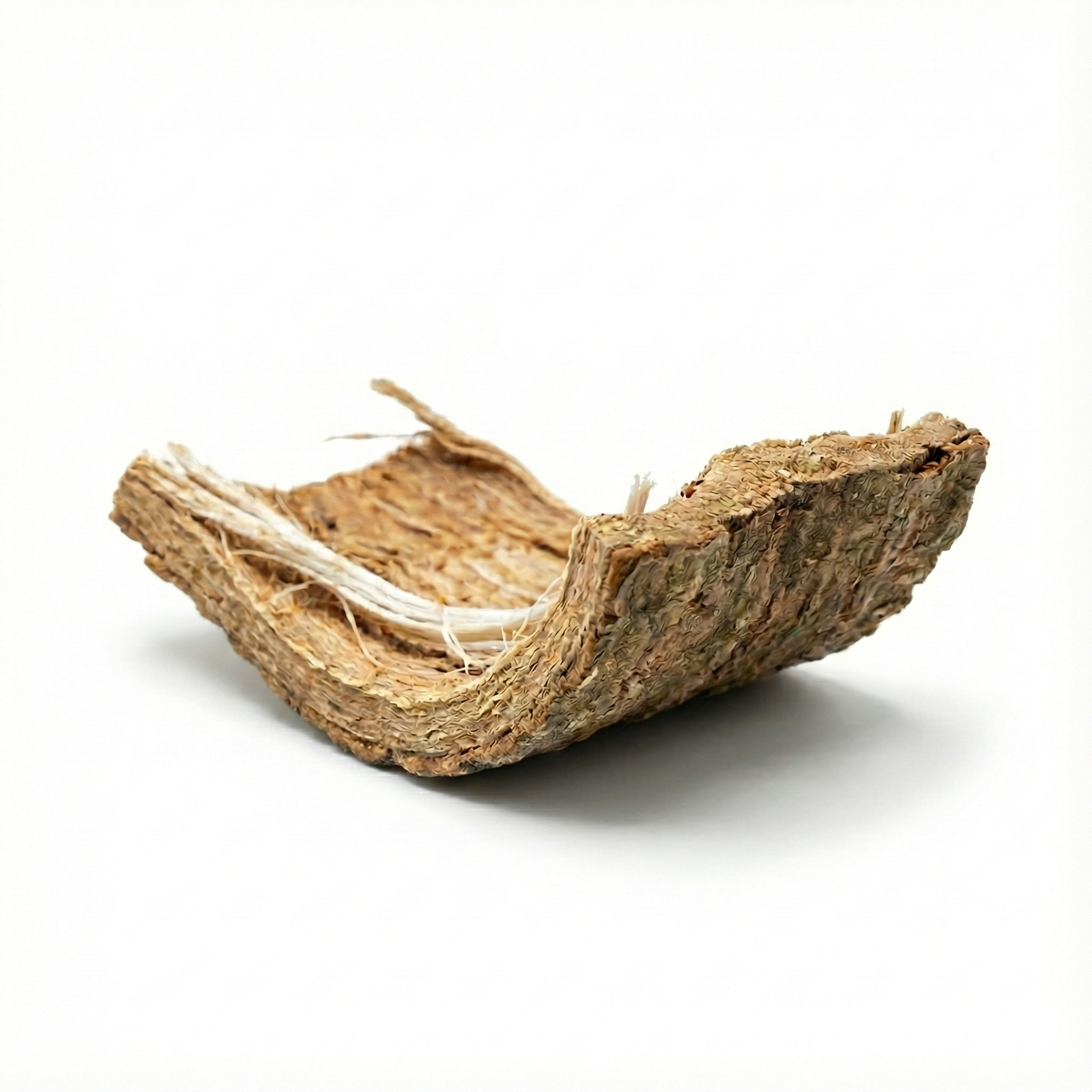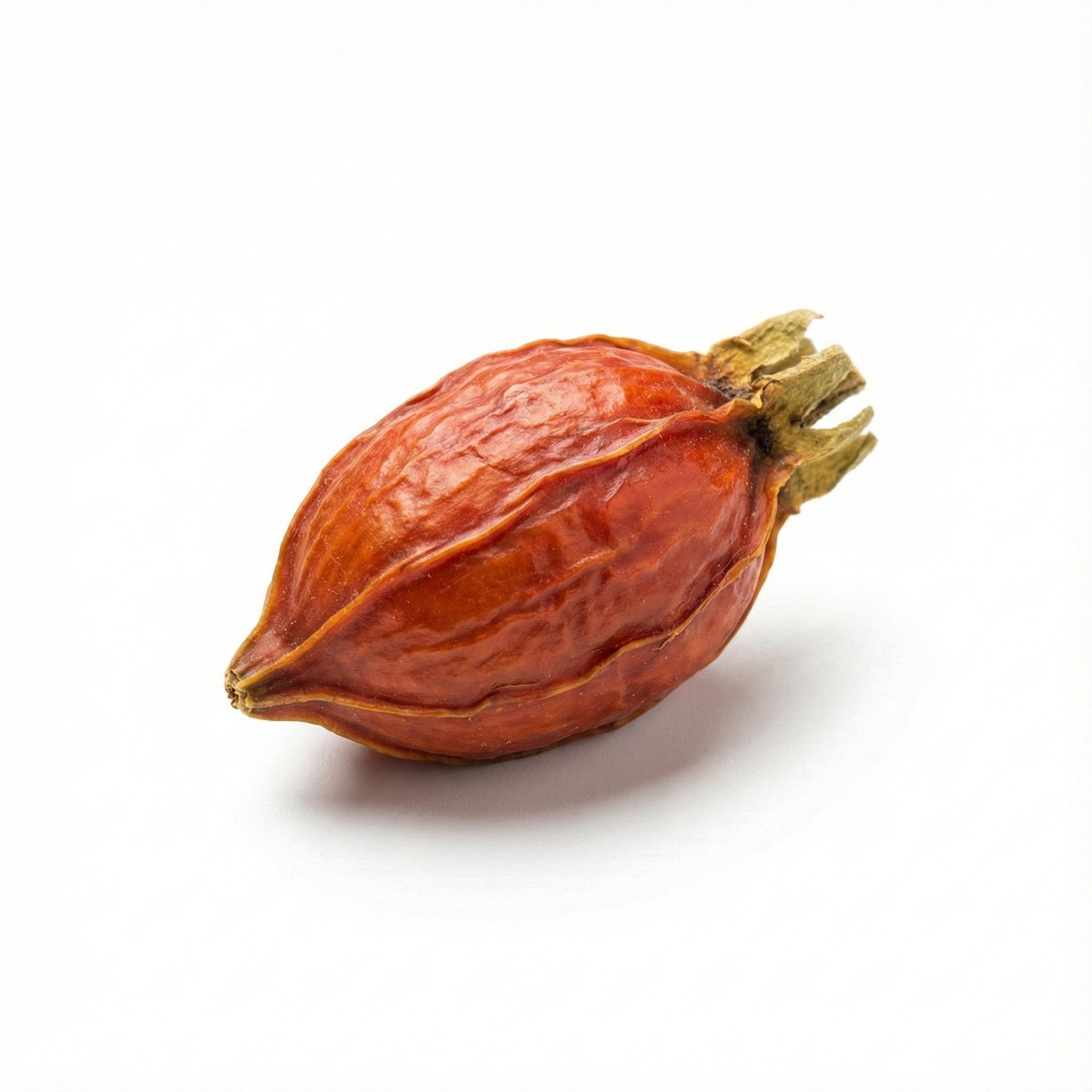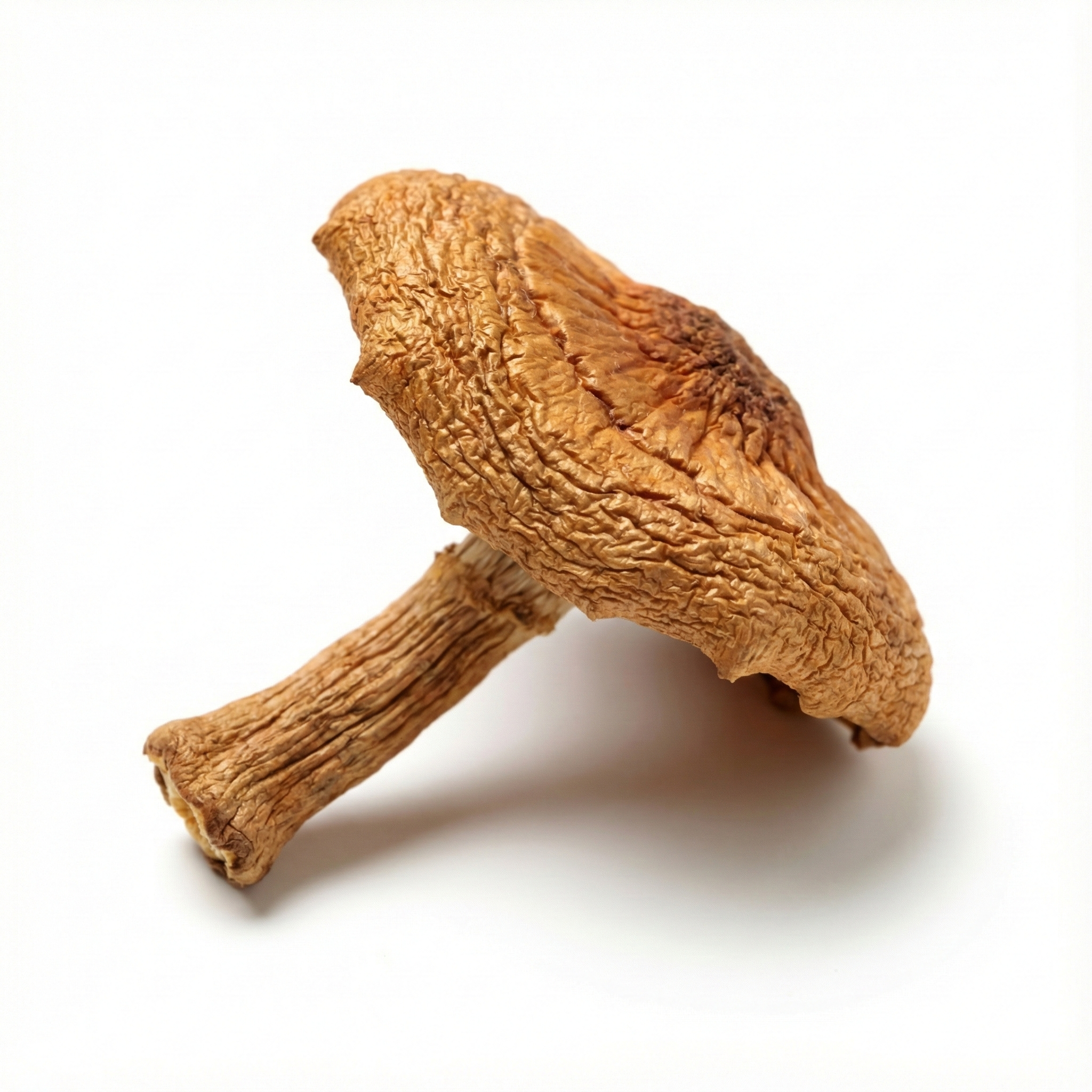
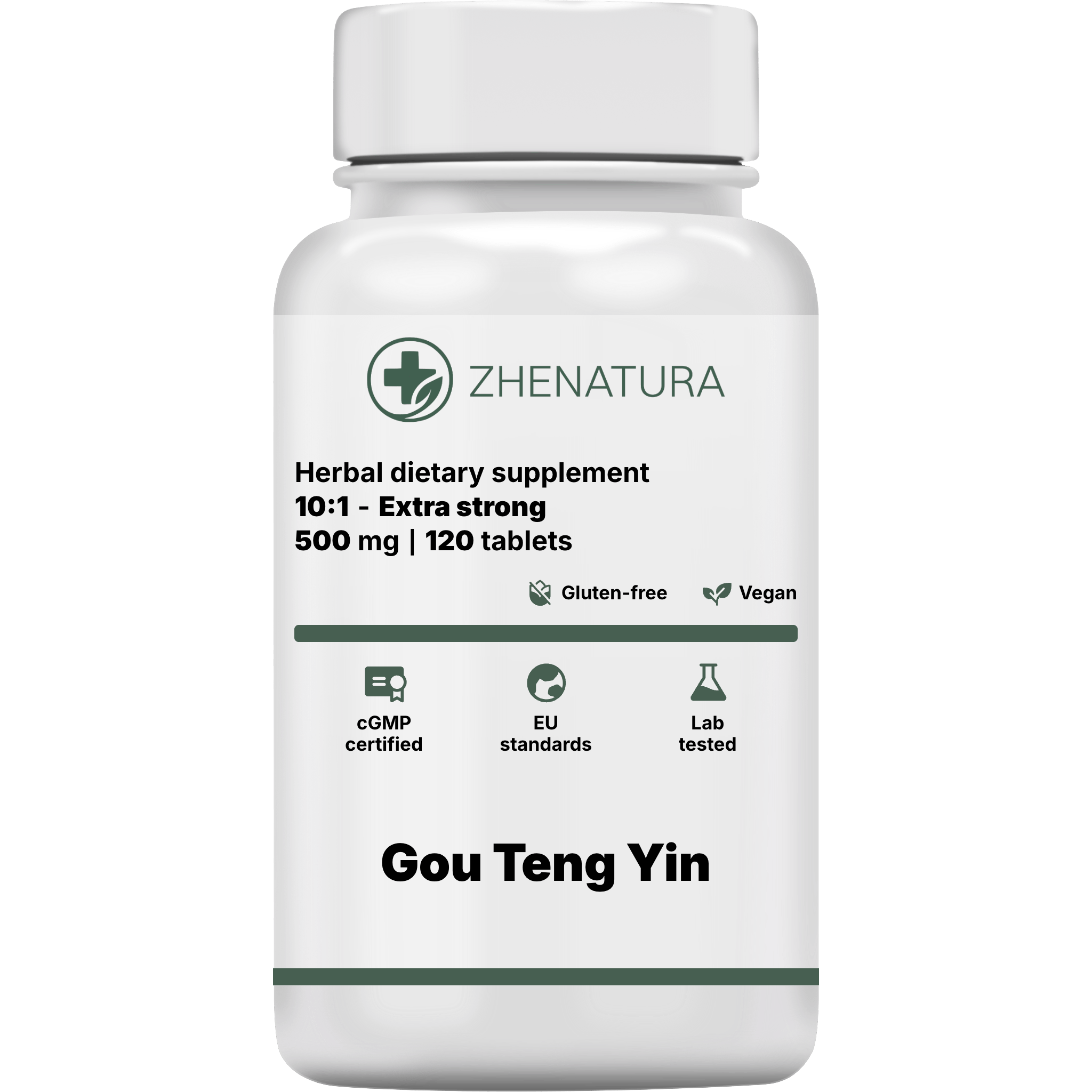
Main benefits
  • Pattern Identification: Traditionally used for the TCM pattern of Liver Yang rising with internal Wind on a background of Liver and Kidney Yin deficiency, where rising Yang and Wind disturb the head and upper body, causing tension, dizziness, and agitation in TCM terms.​

  • Core Function: Formulas under the name Gou Teng Yin (often clinically equivalent to Tian Ma Gou Teng Yin / Gou Teng Wan types) are designed to calm the Liver, extinguish internal Wind, clear Heat from the Liver channel, and nourish underlying Yin and Blood so that Yang can be anchored.​

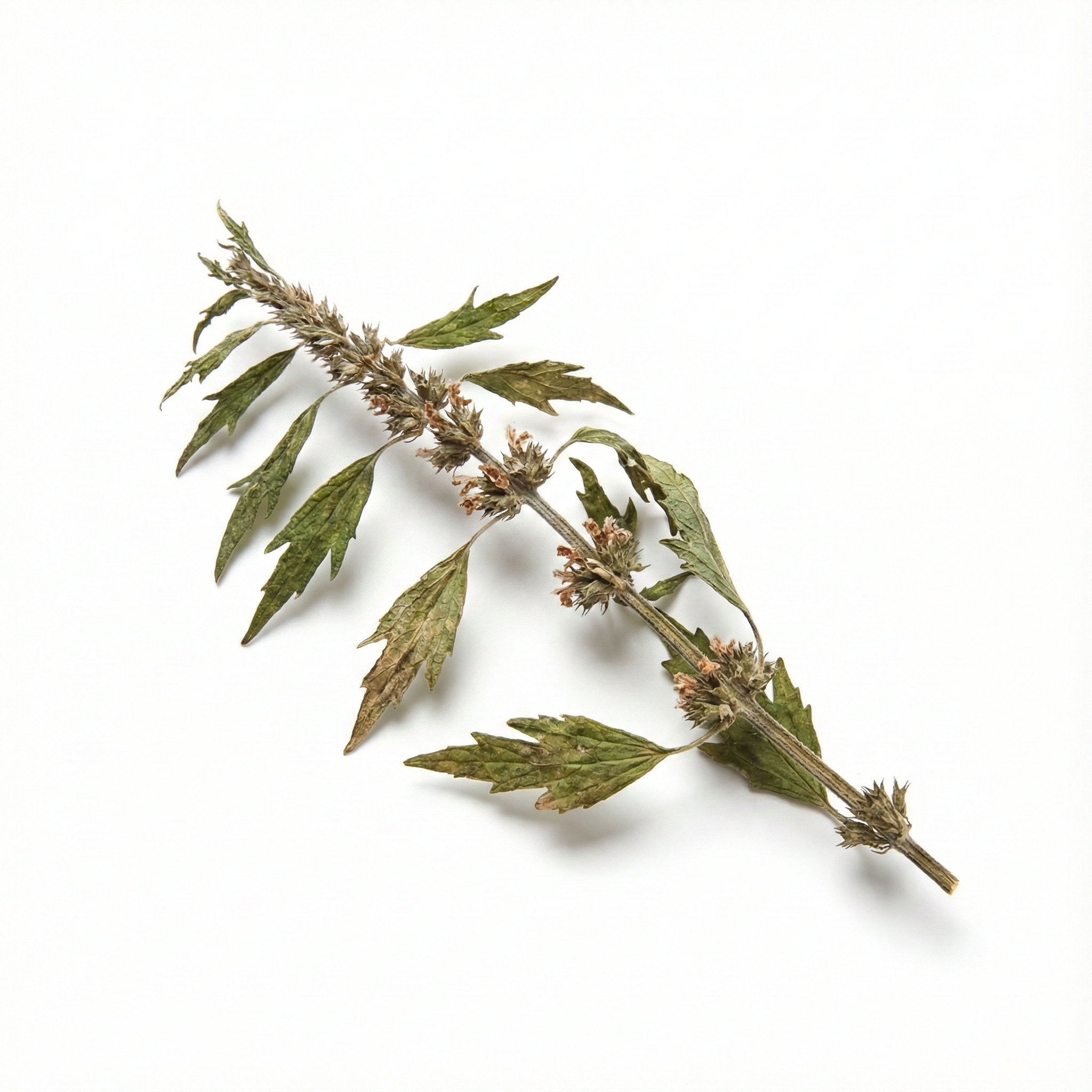
  • Wind-Extinguishing Duo: Built around Gou Teng (Uncaria with hooks) and often Tian Ma (Gastrodia), which together calm the Liver, extinguish internal Wind, and alleviate head‑level symptoms such as dizziness or tremor in the TCM sense, by relaxing hyperactive channels in the upper body.​

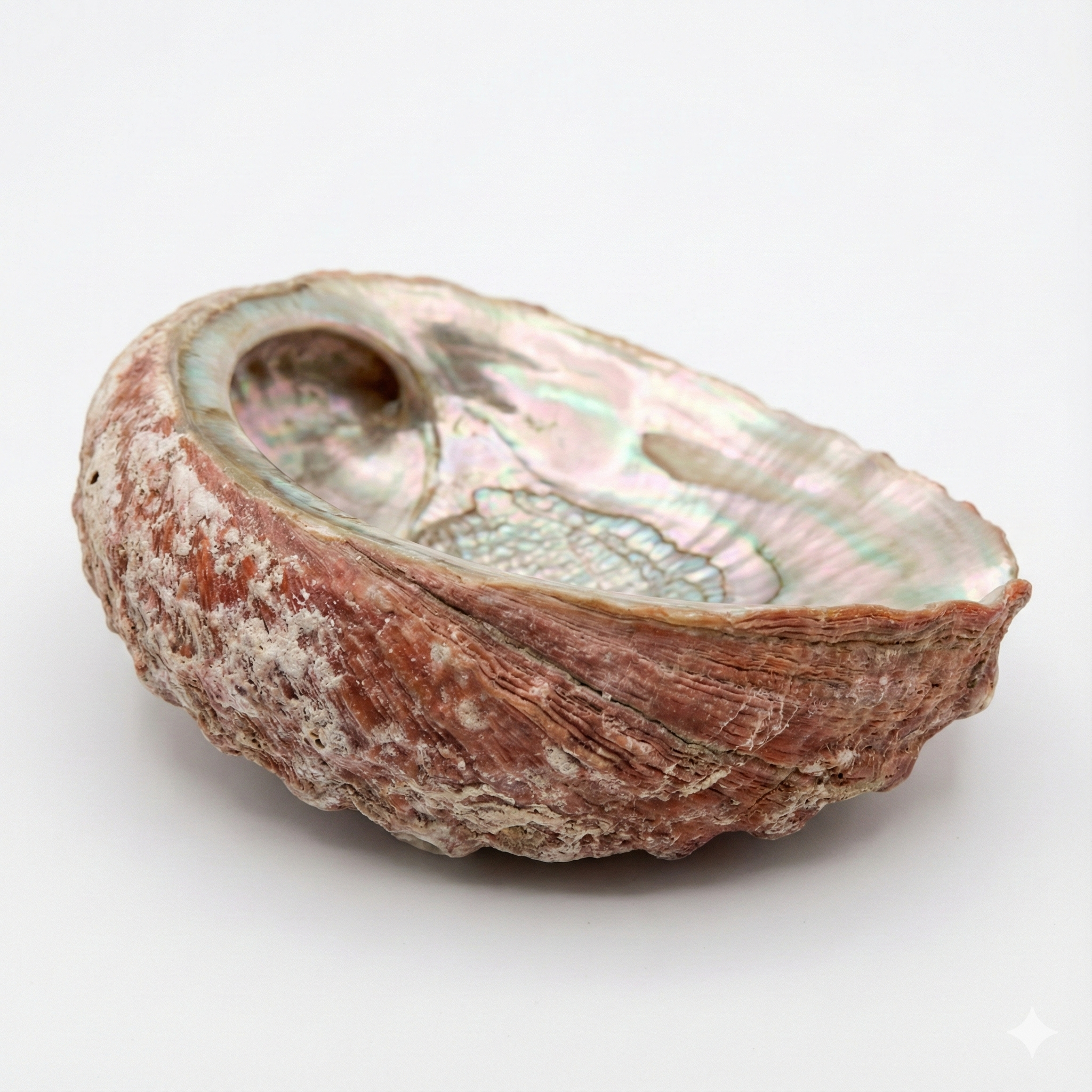
  • Yang Anchoring: Commonly combined with heavy substances like Shi Jue Ming (Abalone shell) or similar agents that anchor Yang and clear Heat from the head and eyes, preventing further upward flaring of Liver Yang.​

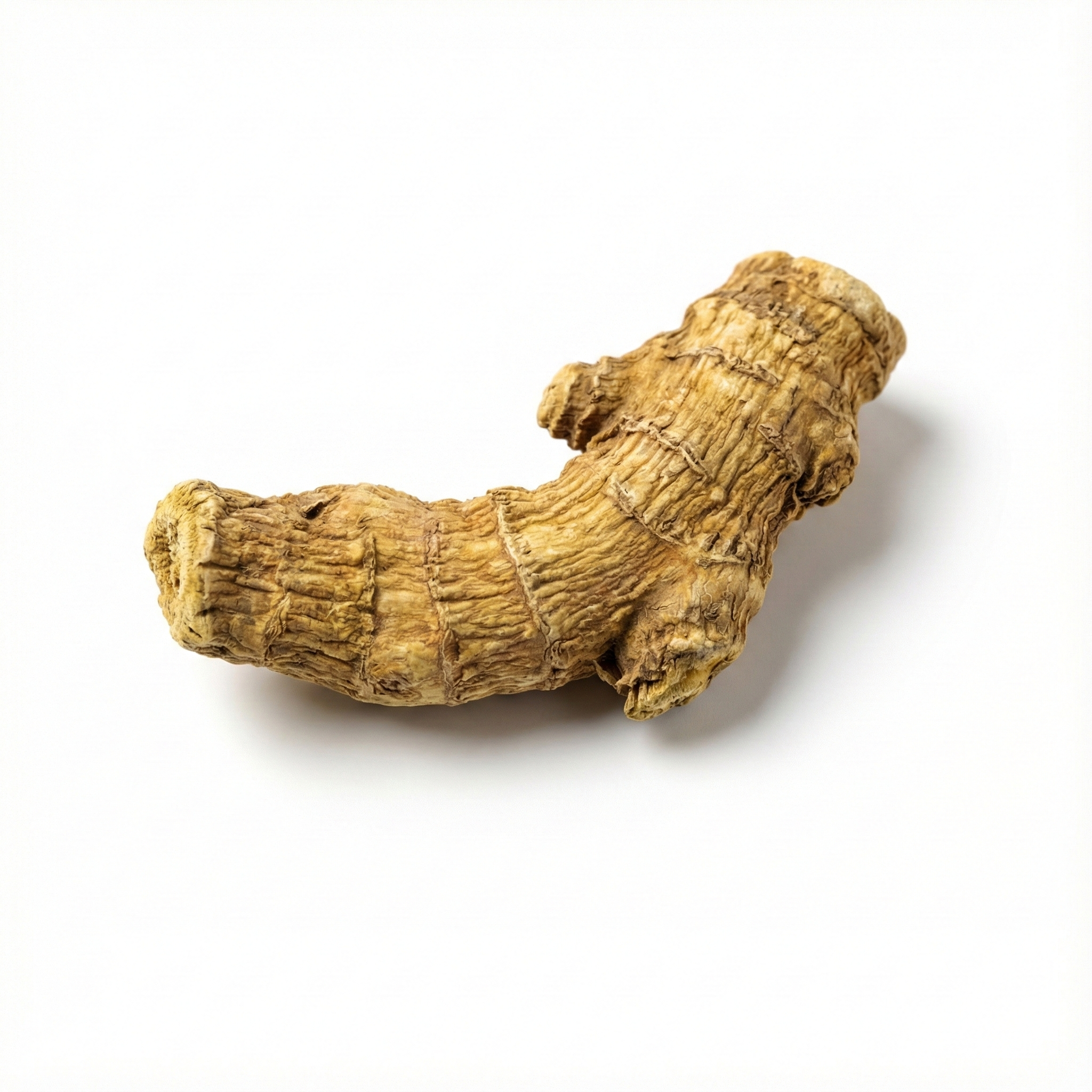
  • Yin and Blood Support: Frequently includes Liver–Kidney nourishing herbs (for example Du Zhong, Niu Xi, Sang Ji Sheng or related choices) to tonify Yin and Blood, strengthen the sinews and bones, and guide excess Yang downward, addressing the root deficiency that allows Wind to arise.​​

  • Heat and Stagnation Clearing: Often paired with Heat‑clearing and mildly Blood‑invigorating herbs such as Zhi Zi or Huang Qin‑type components to clear Liver Heat, cool the Blood, and prevent stagnation while internal Wind is being calmed.​

  • Clinical Niche (TCM): Selected when both excess (Liver Yang/Wind/Heat rising) and deficiency (Liver–Kidney Yin/Blood depletion) are present, especially when manifestations are concentrated in the head and sensory orifices (dizziness, tinnitus, head distention, internal agitation), understood purely in TCM pattern language.​

  • Classical/Modern Heritage: Though a modern composite formula grounded in classical Liver‑Wind theory, Gou Teng‑based decoctions such as Tian Ma Gou Teng Yin are now standard entries in formularies under “Pacify and extinguish internal Wind,” with extensive pharmacological research framed around improving head and vessel circulation in TCM terms.​


Zhenatura.com TCM: Herbal dietary supplements of Traditional Chinese Medicine origine according to European standards!

  • Strength 10:1
  • 120 tablets per bottle
  • Double or Triple the strength as regular brands
  • Less fillers and binders
  • No pharmaceuticals or dyes
  • Thorough lab testing (heavy metals, pesticides etc.)
  • Always made in controlled cGMP certified facility
  • Unbeatable value
  • European brand
TCM traditional Chinese Patents do not work immediate, it takes some time before you (and your organs) will experiences the benefits. We advice always to use minimum 1 packing and then evaluate with your prescriber!
This product is a dietary (food) supplement, to be taken as directed by a qualified practitioner. It is not intended to treat, cure, diagnose or prevent any disease. Not to replace a varied diet. Not to be taken if nursing or if pregnant. Not to be consumed continuously for longer than 3 months.

Common uses

This content is only visible to logged in users. Log in to view.


Information for professionals

This content is only visible to logged in users. Log in to view.
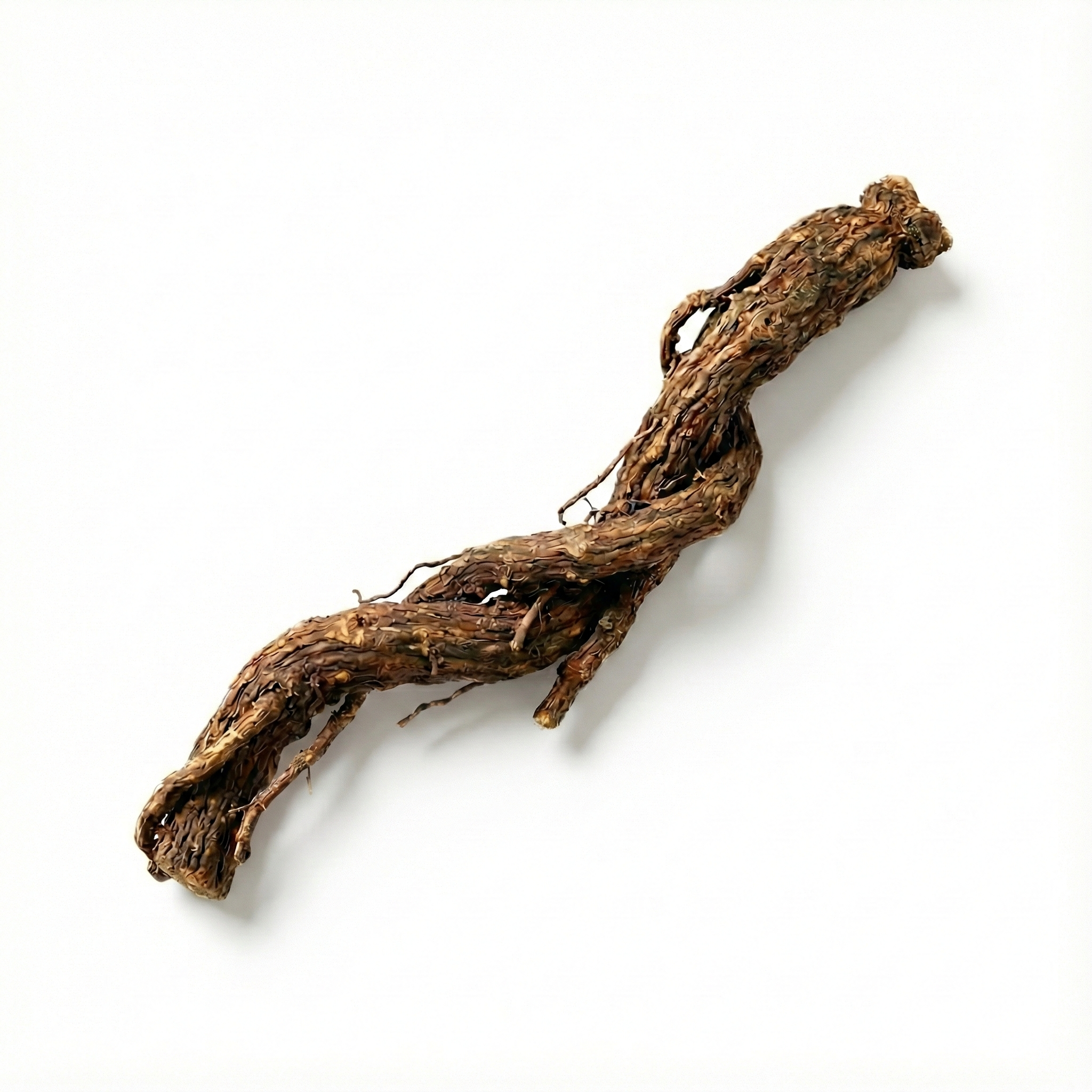
Zhenatura Gou Teng Yin Extra Strong is based on the classical Tian Ma Gou Teng Yin, first recorded in the Qing‑dynasty text Zheng Yin Mai Zhi by Zhang Jing‑Yue. Within traditional TCM literature, this combination of botanicals, including Uncaria rhynchophylla (Gou Teng) and Gastrodia elata (Tian Ma), was described as a method to “soothe the Liver,” “extinguish Wind,” and “support Yin balance” in accordance with TCM theory. These descriptions belong solely to the traditional conceptual system of Chinese medicine and do not refer to modern anatomy, neurology, or scientifically verified physiological effects.

1
Hypertension Management
https://www.frontiersin.org/journals/pharmacology/articles/10.3389/fphar.2018.00668/full

Please note: This summary is a concise interpretation of the original article; please refer to the source for the full context and details.

Adjunct to Antihypertensive Drugs:

  • A 2020 meta-analysis of 14 RCTs (1,537 patients) found TGY combined with nifedipine significantly improved outcomes vs. nifedipine alone:

  • Enhanced blood pressure control (RR: 1.17; 95% CI: 1.12–1.22).

  • Reduced traditional Chinese medicine (TCM) symptoms (dizziness, headaches, irritability).

  • Improved lipid profiles (lower triglycerides, LDL; higher HDL).

Mechanisms:

TGY modulates nitric oxide, endothelin-1, and angiotensin II levels, reducing vascular resistance. It also suppresses oxidative stress (↑ SOD, ↓ ROS) and inflammation.


2
Neurological and Cognitive Applications
https://www.frontiersin.org/journals/pharmacology/articles/10.3389/fphar.2018.00668/full

Please note: This summary is a concise interpretation of the original article; please refer to the source for the full context and details.

Neuroprotection:

Network pharmacology studies indicate TGY targets pathways implicated in Alzheimer’s disease (AD) and Parkinson’s disease (PD):

  • Inhibits neuronal apoptosis via antioxidant effects (e.g., Tianma, Gouteng extracts).

  • Modulates IL-17/TNF/MAPK pathways to reduce neuroinflammation.

Clinical Use:

Prescribed for symptoms like tinnitus, insomnia, and blurred vision associated with Liver Yang Rising.


For Gou Teng Yin, take 3 tablets 2 times per day. These should be taken before or after meal.

Total pieces in package: 120 tablets

Dosage: 3 tablets

Frequency: 2 times a day before or after meal


Side effects

Digestive discomfort

Dizziness or headaches if used improperly

Fatigue & Weakness

Low Blood-Pressure


Allergies

Individuals allergic to any of the herbal ingredients should avoid use. Discontinue immediately if any allergic reactions, such as rash, itching, or swelling, occur.

Eucommia Sensitivity

Fungus

Gastrodia Allergy

Rehmannia Root Allergy

Uncaria Allergy

White Peony Root


Avoid medicine interactions

Anticoagulants or Antiplatelet Drugs

Antihypertensive Medications

Diuretics

Sedatives or CNS-Acting Drugs


Precautions

Discontinue use if allergic reaction occurs.

Do not use in combination with cold medicines.

Not suitable for if you suffer from digestive problems.

Consult your herbalist or physician before use if you are taking other medications or receiving other medical treatments.

Consult your herbalist or doctor before use if you have high blood pressure, or if you are children, old or very weak.

Keep out of reach of children.

Do not use when you have a fever.


Indemnification

This product is a dietary supplement, and should only be used as prescribed by a qualified acupuncturist, herbalist, phyto- or TCM therapist. This product is not intended to diagnose, treat, prevent or cure any disease. Always consult a qualified doctor or healthcare professional before using this. A healthy lifestyle is important, as is a varied, balanced diet, for which supplements are not a substitute.

TCM traditional Chinese Patents do not work immediate, it takes some time before you (and your organs) will experiences the benefits. 1 packing adviced and then evaluate with your prescriber!

Allergies

, , , , ,

Avoid medicine interactions

, , ,

Formula types

Ingredients

, , , , , , , , , ,

Ingredients Pinyin

, , , , , , , , , ,

Original classical patents

, , ,

Original classical patents Pinyin

, , ,

Pulse diagnoses

, ,

Side effects

, , ,

Symptoms (for reference only)

, , , , , , , , , , ,

TCM constitutions

, , , ,

TCM patterns

,

Tongue diagnoses

, , ,