Main benefits
  • Pattern identification: Traditionally used for the TCM pattern of Liver Blood and Yin deficiency with tendino‑muscular spasm or cramping, where insufficient nourishment of the sinews leads to pain and tightness.

  • Name and core idea: [translate:芍药甘草汤] means “Peony and Licorice Decoction.” It is a very simple two‑herb formula whose core function is to nourish Blood/Yin and relax constrained sinews according to classical theory.

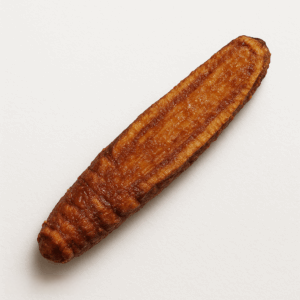
  • Blood/Yin nourishment: Bai Shao (White Peony Root) is the sovereign herb; it nourishes Blood and Liver Yin, softens and relaxes the Liver, and is said to “relieve pain by nourishing,” particularly when spasm arises from deficiency rather than excess.

  • Spasm‑relieving synergy: Zhi Gan Cao (Honey‑fried Licorice) tonifies Qi and harmonizes the middle, and together with Bai Shao forms the classical pair that relaxes spasms and alleviates cramping pain in the muscles and channels.

  • Sinew and channel focus: In TCM theory, “the Liver governs the sinews.” By enriching Liver Blood and softening the Liver, the formula helps the sinews receive sufficient nourishment so that contraction, twitching, or cramping can ease.

  • Simplicity and flexibility: Because of its simplicity, Shao Yao Gan Cao Tang is frequently used as a small “module” within larger prescriptions, added whenever there is a component of cramping or spasmodic pain due to underlying deficiency.

  • Classical heritage: First recorded in Zhang Zhong‑jing’s Shang Han Lun (Treatise on Cold Damage), it is one of the oldest and most widely cited formulas for deficiency‑type spasms and is often referenced in traditional commentaries as the primary “sinew‑relaxing” decoction.


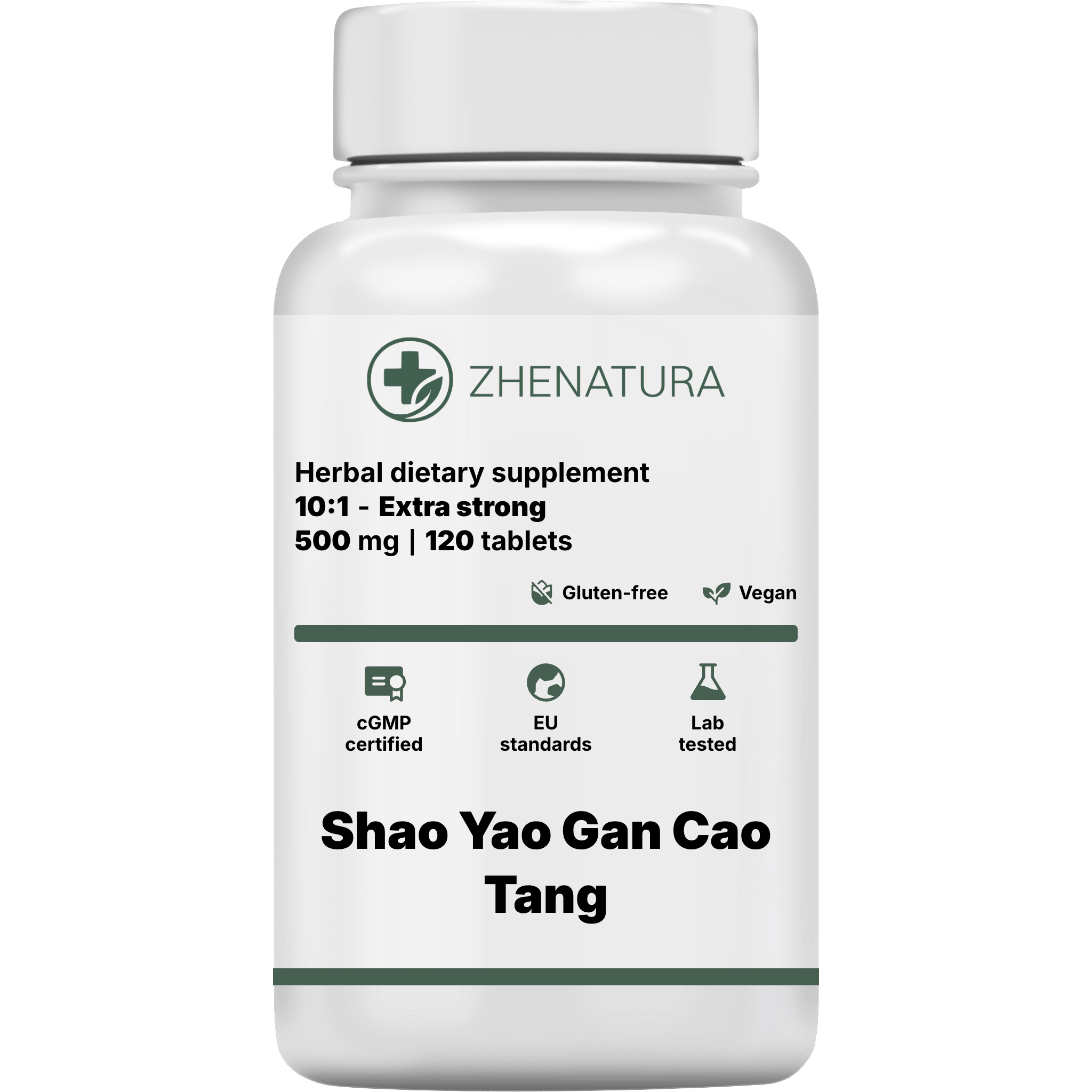
Zhenatura.com TCM: Herbal dietary supplements of Traditional Chinese Medicine origine according to European standards!

  • Strength 10:1
  • 120 tablets per bottle
  • Double or Triple the strength as regular brands
  • Less fillers and binders
  • No pharmaceuticals or dyes
  • Thorough lab testing (heavy metals, pesticides etc.)
  • Always made in controlled cGMP certified facility
  • Unbeatable value
  • European brand
TCM traditional Chinese Patents do not work immediate, it takes some time before you (and your organs) will experiences the benefits. We advice always to use minimum 1 packing and then evaluate with your prescriber!
This product is a dietary (food) supplement, to be taken as directed by a qualified practitioner. It is not intended to treat, cure, diagnose or prevent any disease. Not to replace a varied diet. Not to be taken if nursing or if pregnant. Not to be consumed continuously for longer than 3 months.

Common uses

This content is only visible to logged in users. Log in to view.


Information for professionals

This content is only visible to logged in users. Log in to view.
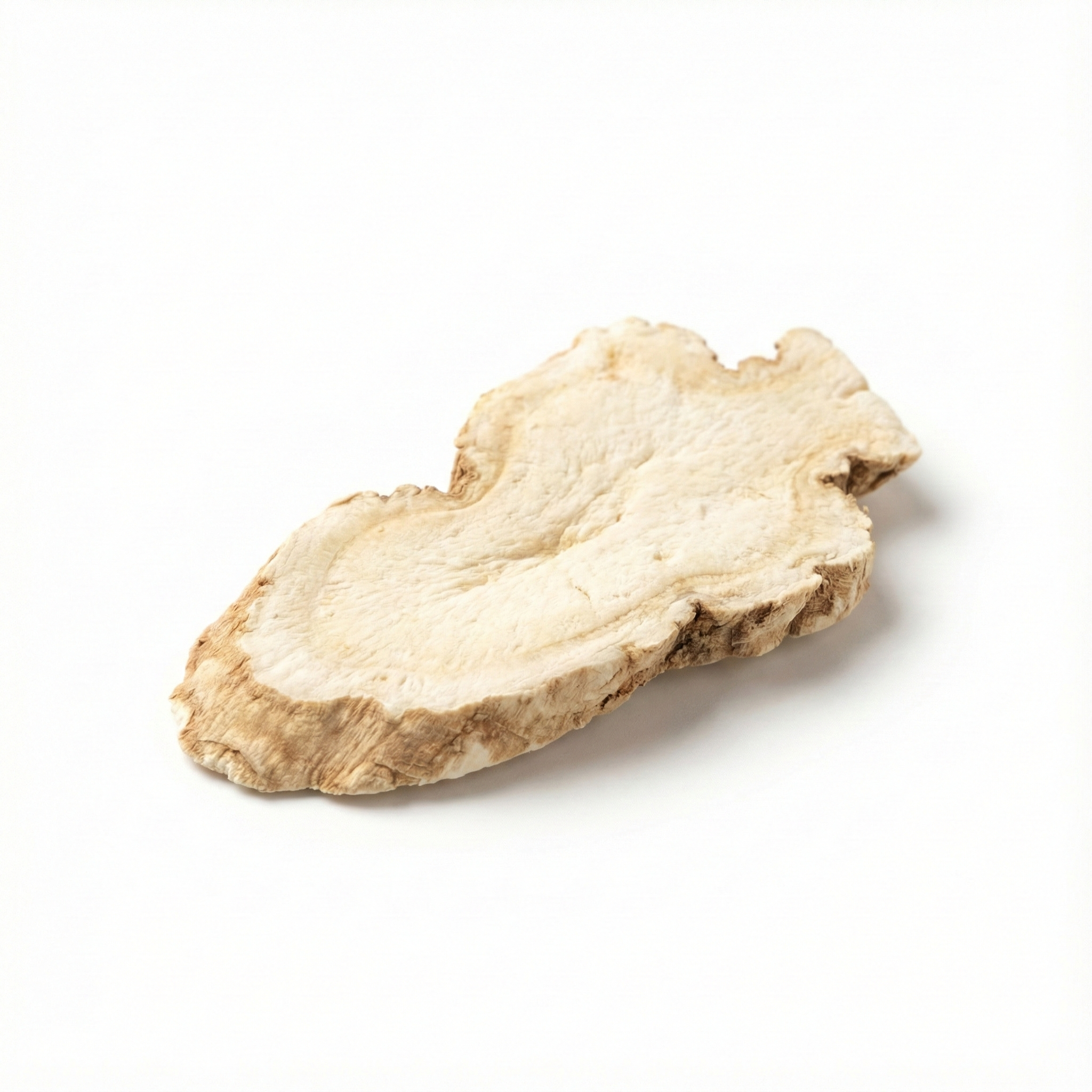
Zhenatura Shao Yao Gan Cao Tang Extra Strong is based on Shao Yao Gan Cao Tang, first described in the Han‑dynasty medical text Shang Han Lun (“Treatise on Cold Damage”) by Zhang Zhongjing. In the context of traditional Chinese herbal literature, this formula, composed of Paeonia lactiflora (White Peony) and Glycyrrhiza uralensis (Licorice Root), was traditionally described as a method to “nourish the Yin” and “harmonize the Liver” within the TCM theoretical framework. These descriptions refer exclusively to the traditional classification of the ingredients within TCM and do not refer to modern anatomy, circulation, or verified physiological effects.

1
Muscle Cramps in Hemodialysis Patients
https://pubmed.ncbi.nlm.nih.gov/40204247/

Please note: This summary is a concise interpretation of the original article; please refer to the source for the full context and details.

Clinical Trial (2025):

SYGC significantly alleviated muscle cramps in maintenance hemodialysis (HD) patients, demonstrating both efficacy and safety. It offers a non-pharmacological alternative for HD-related cramp management.


2
Neuropathic Pain Relief
https://pubmed.ncbi.nlm.nih.gov/32502651/

Please note: This summary is a concise interpretation of the original article; please refer to the source for the full context and details.

Mechanistic Study (2020):

SGD reduced neuropathic pain in rat models by:

Increasing pain thresholds.

Decreasing pain mediators (substance P, β-endorphin, PGE₂, nitric oxide).

Modulating glycerophospholipid and arachidonic acid metabolism pathways.

Key bioactive compounds: Paeonol, DL-Arabinose, benzoic acid, hispaglabridin A, and paeonilactone C.


3
Restless Leg Syndrome (RLS)
https://pmc.ncbi.nlm.nih.gov/articles/PMC7535552/

Please note: This summary is a concise interpretation of the original article; please refer to the source for the full context and details.

Systematic Review (2020):

Clinical trials confirm SYGC improves RLS symptoms by:

  • Reducing leg restlessness and discomfort.

  • Enhancing sleep quality.

  • Exhibiting fewer side effects than conventional treatments.


4
Osteoarthritis (OA) Management
https://pmc.ncbi.nlm.nih.gov/articles/PMC6705180/

Please note: This summary is a concise interpretation of the original article; please refer to the source for the full context and details.

Network Pharmacology (2019):

SGD’s 23 bioactive compounds (e.g., flavonoids, monoterpenoids) target 226 OA-related genes. It modulates:

  • Inflammation (TNF, IL-17 pathways).

  • Apoptosis and cartilage degradation.

  • Immune responses linked to OA progression.


5
Broad Pharmacological Actions
https://academic.oup.com/jpp/advance-article-abstract/doi/10.1093/jpp/rgaf017/8126039

Please note: This summary is a concise interpretation of the original article; please refer to the source for the full context and details.

Comprehensive Review (2025):

SYGC demonstrates:

  • Analgesic & anti-inflammatory effects: Via paeoniflorin (Paeonia) and glycyrrhizin (Glycyrrhiza).

  • Neuroprotection: Reduces neuronal excitability.

  • Antispasmodic activity: Relaxes smooth muscle.

  • Hepatoprotective & anti-asthmatic properties.


For Shao Yao Gan Cao Tang, take 3 tablets 2 times per day. These should be taken before or after meal.

Total pieces in package: 120 tablets

Dosage: 3 tablets

Frequency: 2 times a day before or after meal


Side effects

Digestive discomfort

Increased Blood Pressure

Occasional fatigue or heaviness

Water retention or swelling


Allergies

Individuals allergic to any of the herbal ingredients should avoid use. Discontinue immediately if any allergic reactions, such as rash, itching, or swelling, occur.

Licorice

White Peony Root


Avoid medicine interactions

Anti-arrhythmic medications

Antihypertensive Medications

Corticosteroids

Diuretics

Hormonal Therapies (hormone replacement therapy, corticosteroids)

Laxatives


Precautions

Discontinue use if allergic reaction occurs.

Not suitable for if you suffer from digestive problems.

Consult your herbalist or physician before use if you are taking other medications or receiving other medical treatments.

Consult your herbalist or doctor before use if you have high blood pressure, or if you are children, old or very weak.

Keep out of reach of children.


Indemnification

This product is a dietary supplement, and should only be used as prescribed by a qualified acupuncturist, herbalist, phyto- or TCM therapist. This product is not intended to diagnose, treat, prevent or cure any disease. Always consult a qualified doctor or healthcare professional before using this. A healthy lifestyle is important, as is a varied, balanced diet, for which supplements are not a substitute.

TCM traditional Chinese Patents do not work immediate, it takes some time before you (and your organs) will experiences the benefits. 1 packing adviced and then evaluate with your prescriber!

Allergies

,

Avoid medicine interactions

, , , , ,

Formula types

Ingredients

,

Ingredients Pinyin

,

Original classical patents

, , ,

Original classical patents Pinyin

, , ,

Pulse diagnoses

, ,

Side effects

, , ,

Symptoms (for reference only)

, , , , , ,

TCM constitutions

, , , ,

TCM patterns

Tongue diagnoses

, ,