Main benefits
Pattern identification: Traditionally used for the pattern of Liver and Kidney Yin deficiency with Liver Qi stagnation, where lack of Yin fluids leaves the Liver under‑nourished so its Qi becomes constrained and “dry, tight, and hot.”
Name and core idea: [translate:一贯煎] is often translated as “Linking Decoction” or “Continuous Decoction,” referring to its function of linking Yin nourishment with smooth Liver Qi movement so that deficiency and stagnation are treated together.
Main actions in TCM: The formula nourishes Liver and Kidney Yin, enriches Blood, clears mild Deficiency Heat, and gently soothes Liver Qi, especially when dryness and tension coexist (e.g. dry throat/flanks plus rib‑side distention).
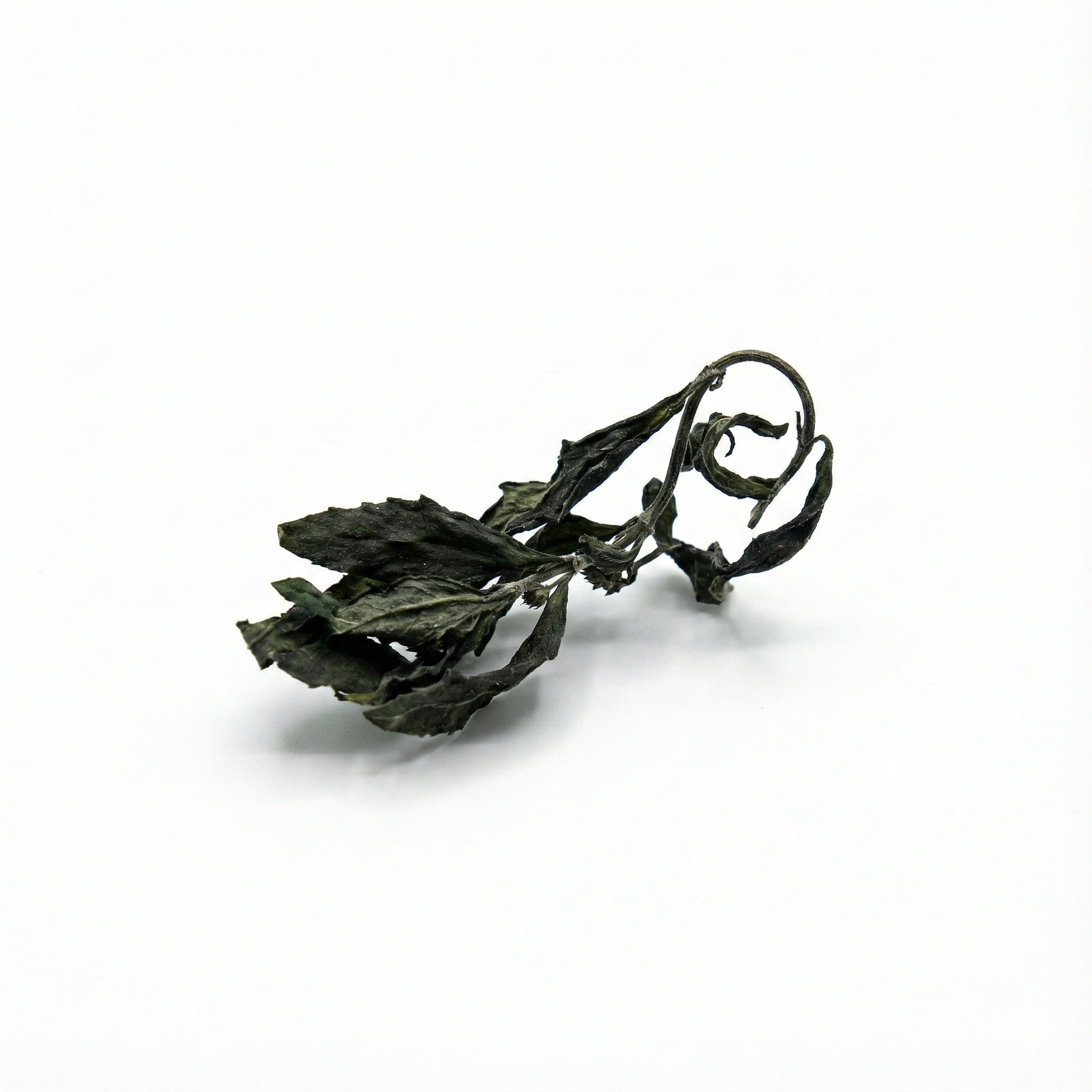
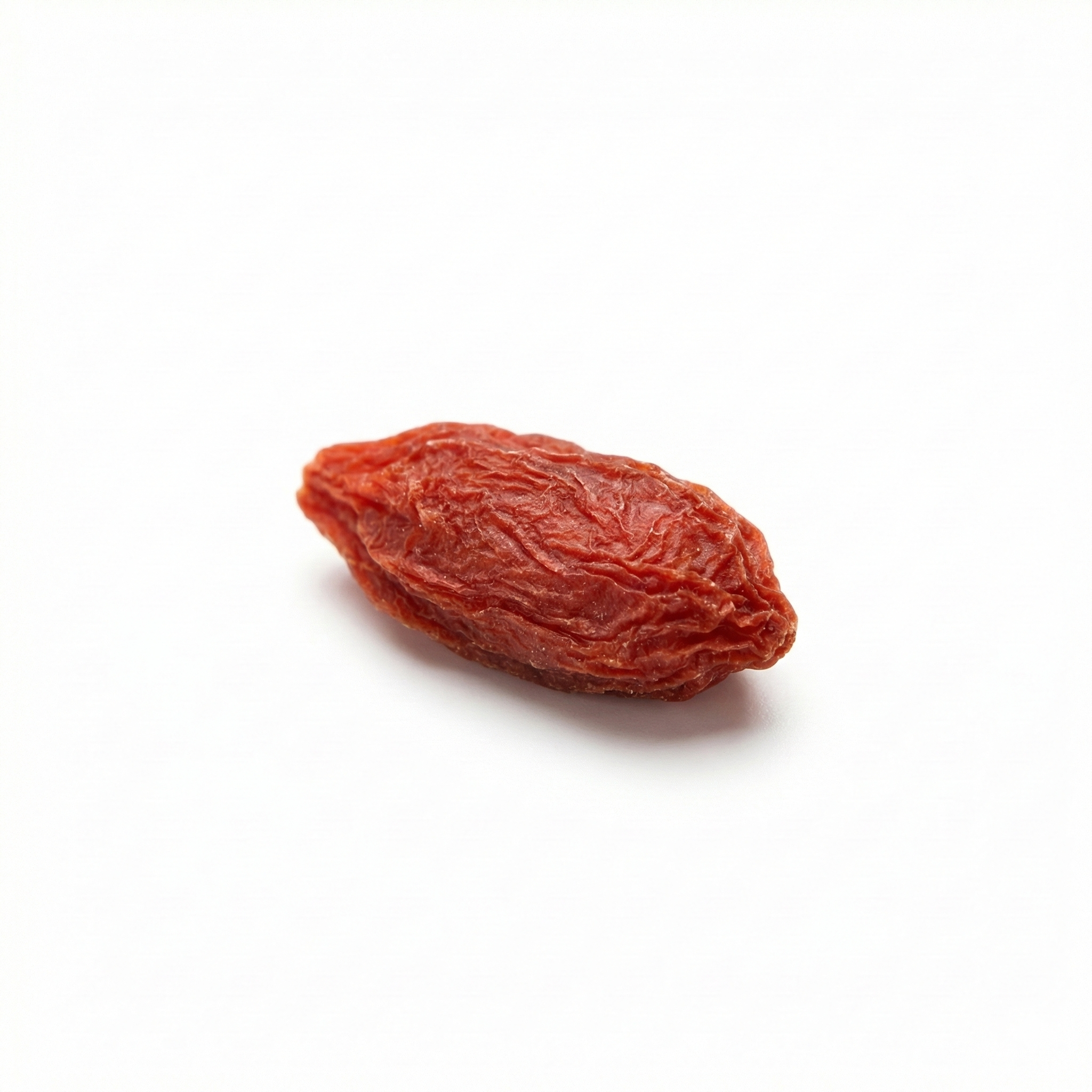
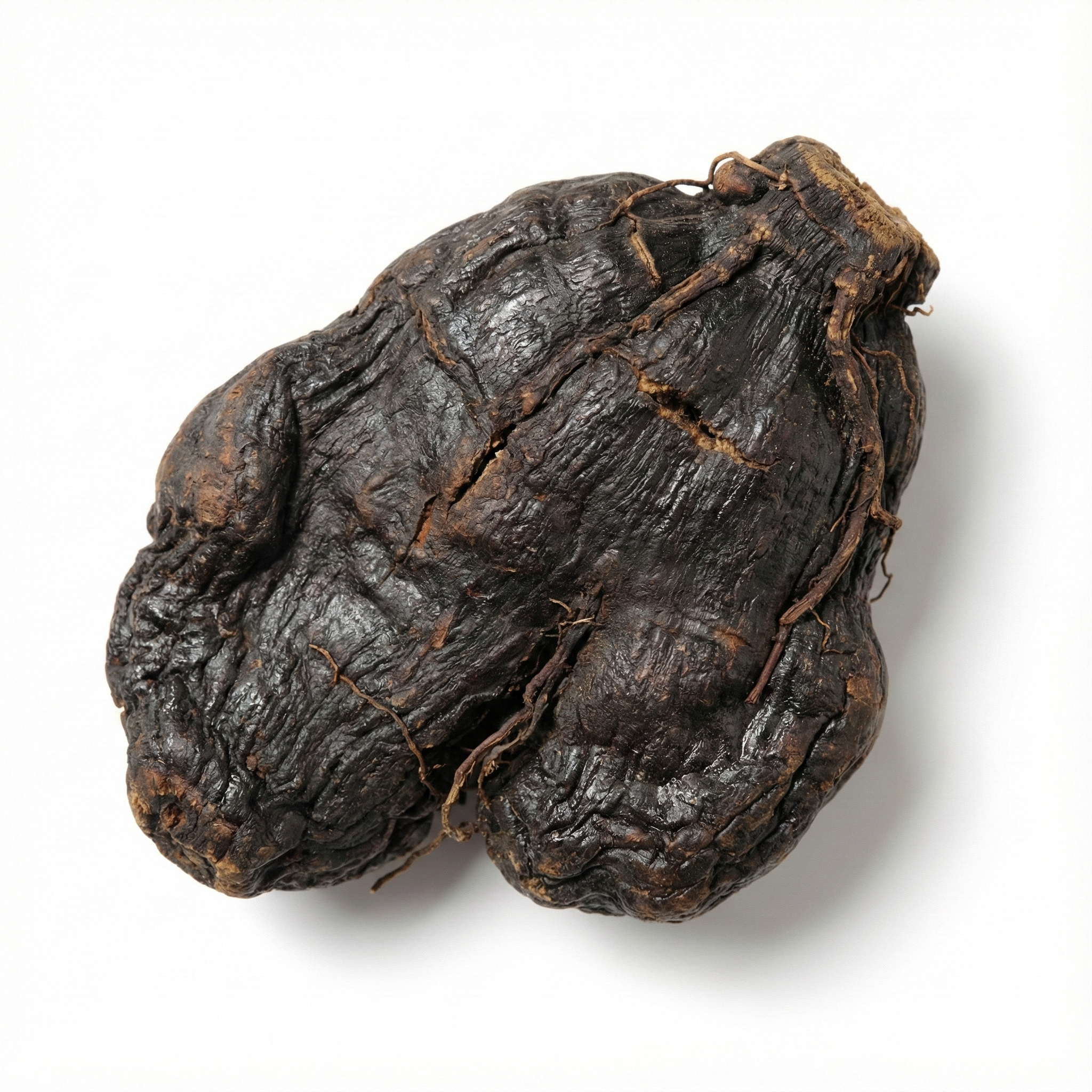
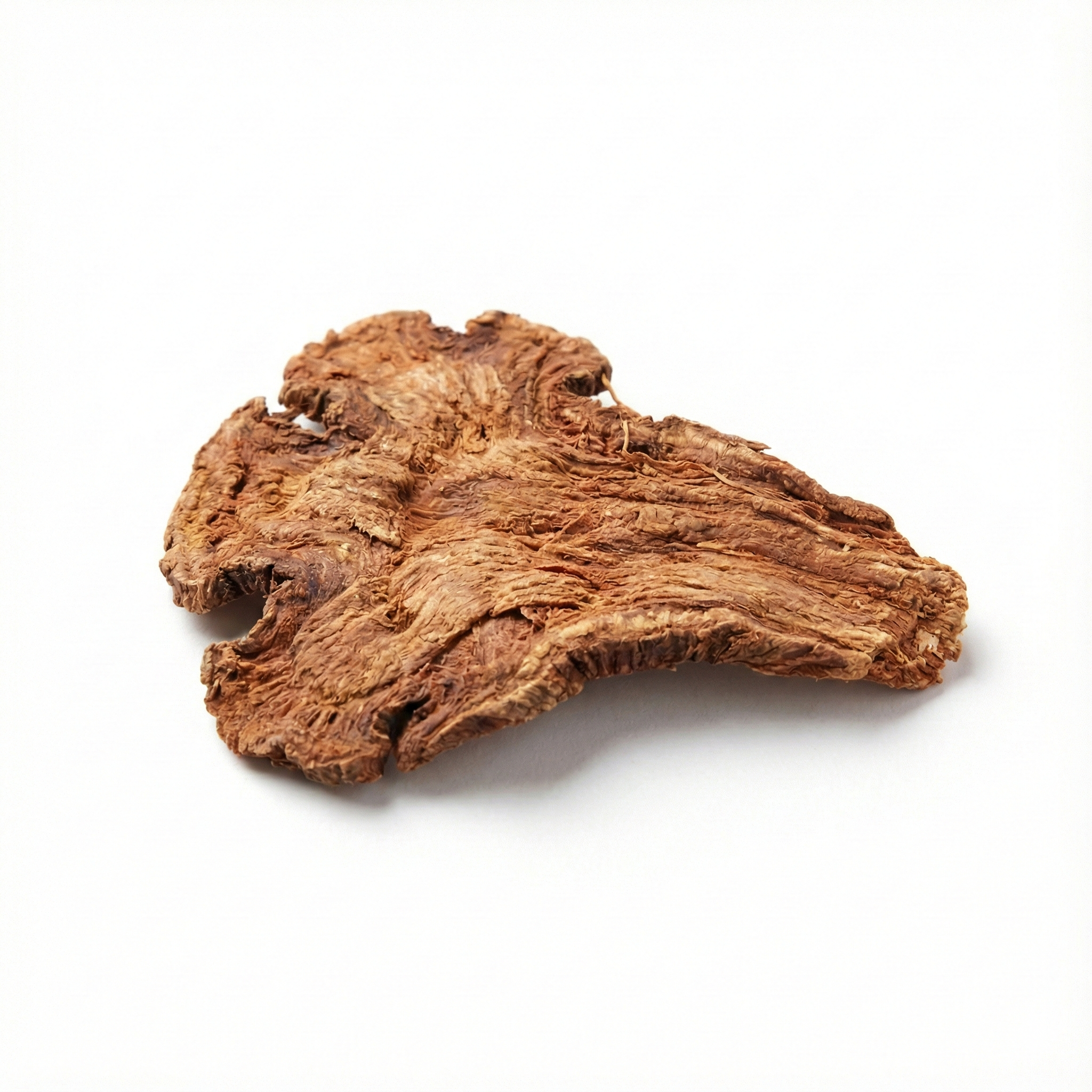
Key ingredients and roles: Gou Qi Zi (Lycium / goji berry): Chief herb that nourishes Liver and Kidney Yin and Blood and moistens dryness, providing the “medium” (Blood/fluids) through which Qi can move. Sheng Di Huang (Raw Rehmannia): Strongly nourishes Yin, cools Blood, and generates fluids, addressing red, dry tongue and Deficiency Heat. Sha Shen (Glehnia) and Mai Men Dong (Ophiopogon): Supplement Yin of Lung and Stomach, moisten dryness, and help generate Jin‑Ye (body fluids). Dang Gui (Angelica sinensis): Nourishes and mildly moves Blood, supporting Gou Qi Zi in enriching and circulating Liver Blood. Chuan Lian Zi (Toosendan / Melia): The guiding herb that gently disperses constrained Liver Qi and relieves hypochondriac or chest distention without damaging Yin.
Typical TCM presentation: Classical and modern monographs describe patterns with rib‑side or chest pain/distention, dry throat or mouth, possible acid regurgitation, a red, dry tongue with scant coat, and a thin or wiry pulse—seen as Yin/Blood deficiency failing to nourish the Liver, leading to Qi stagnation and mild heat.
Clinical niche in formula families: Compared to more “moving” Liver‑Qi formulas (like Jia Wei Xiao Yao San), Yi Guan Jian is deficiency‑dominant: it is chosen when Yin and Blood deficiency are primary and Qi stagnation is secondary, especially with dryness signs.
Classical heritage: Created by Wei Zhi‑xiu in 1770 and recorded in Xu Ming Yi Lei An (Continuation of Famous Physicians’ Classified Case Records), it is now regarded as a standard Liver‑Yin tonic for chronic Liver and Liver–Stomach patterns in modern TCM practice.
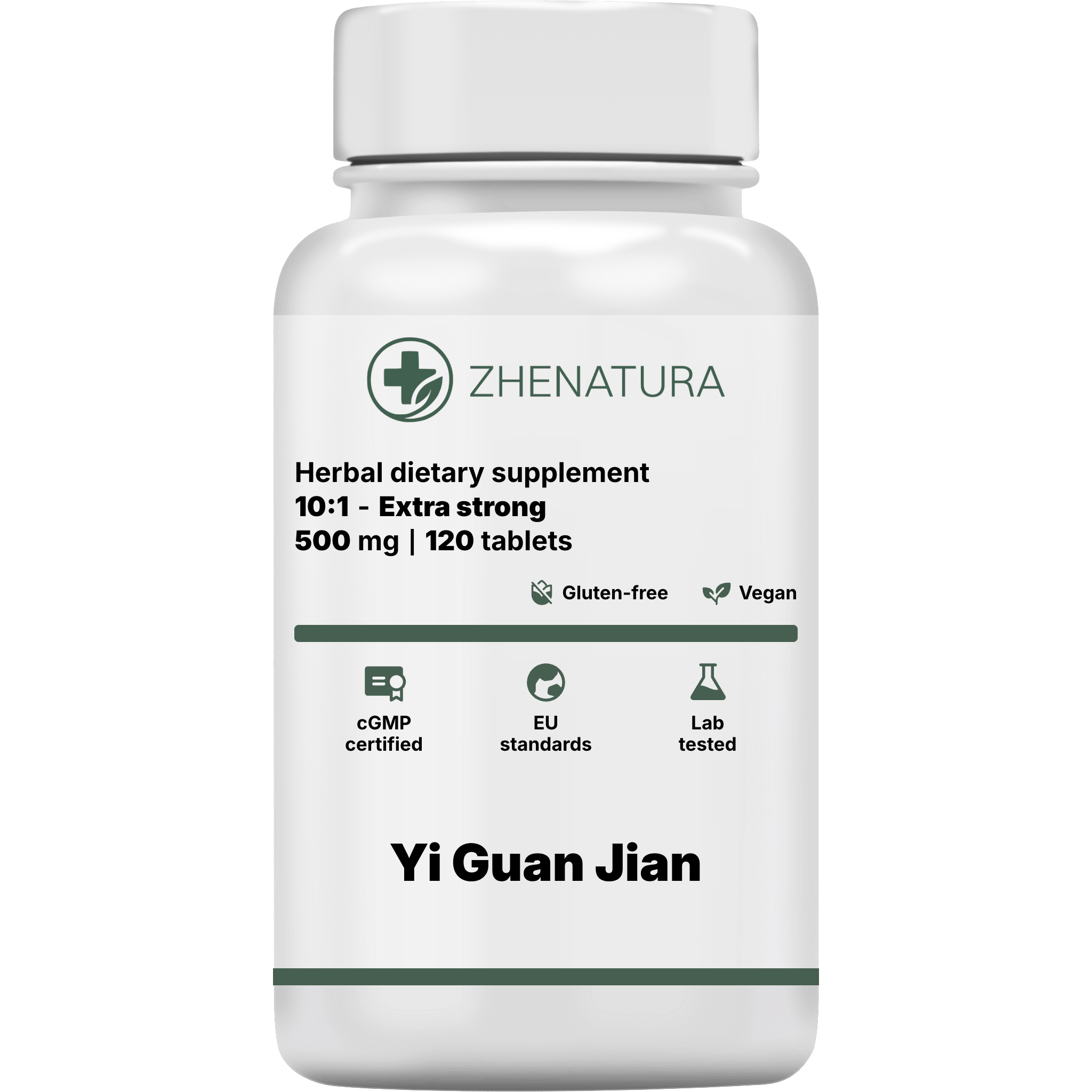
Zhenatura.com TCM: Herbal dietary supplements of Traditional Chinese Medicine origine according to European standards!
- Strength 10:1
- 120 tablets per bottle
- Double or Triple the strength as regular brands
- Less fillers and binders
- No pharmaceuticals or dyes
- Thorough lab testing (heavy metals, pesticides etc.)
- Always made in controlled cGMP certified facility
- Unbeatable value
- European brand
This product is a dietary (food) supplement, to be taken as directed by a qualified practitioner. It is not intended to treat, cure, diagnose or prevent any disease. Not to replace a varied diet. Not to be taken if nursing or if pregnant. Not to be consumed continuously for longer than 3 months.
Common uses
This content is only visible to logged in users. Log in to view.
Information for professionals
This content is only visible to logged in users. Log in to view.