
Classic and modern Chinese herbal formulas: what is the difference?
Traditional formulations and modern herbal blends compared.
What is the difference between classic and modern Chinese herbal formulas?
Within the Zhenatura range, ‘classic’ refers to herbal combinations based on a historically handed-down Chinese herbal recipe. ‘Modern’ refers to formulas that build upon those foundations with an adapted ingredient list or modified ratios. This distinction relates solely to the base recipe and composition, and does not automatically imply a difference in product quality or concentration. Current product labelling and specification details always remain decisive for the exact composition.
What are classic Chinese herbal formulas?
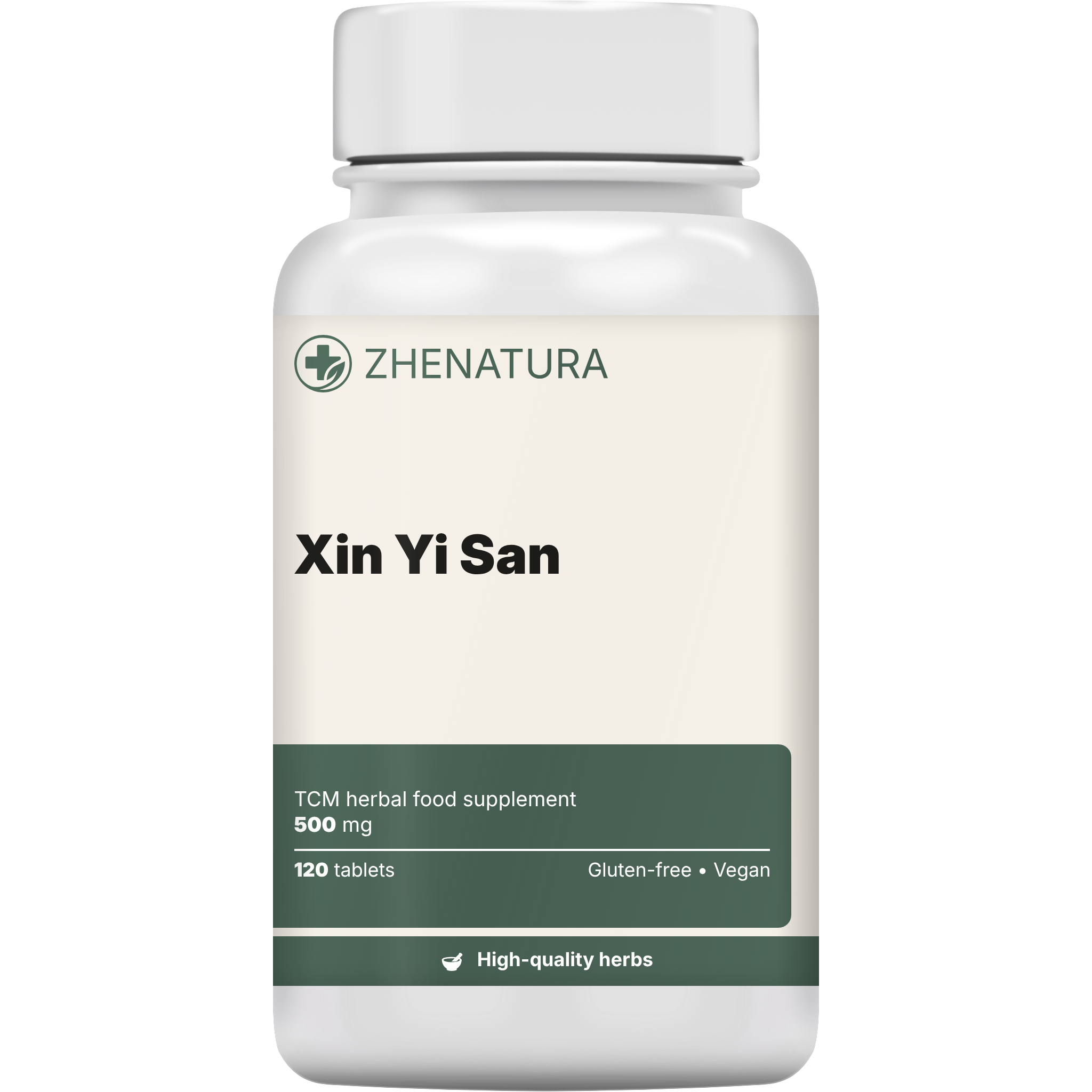
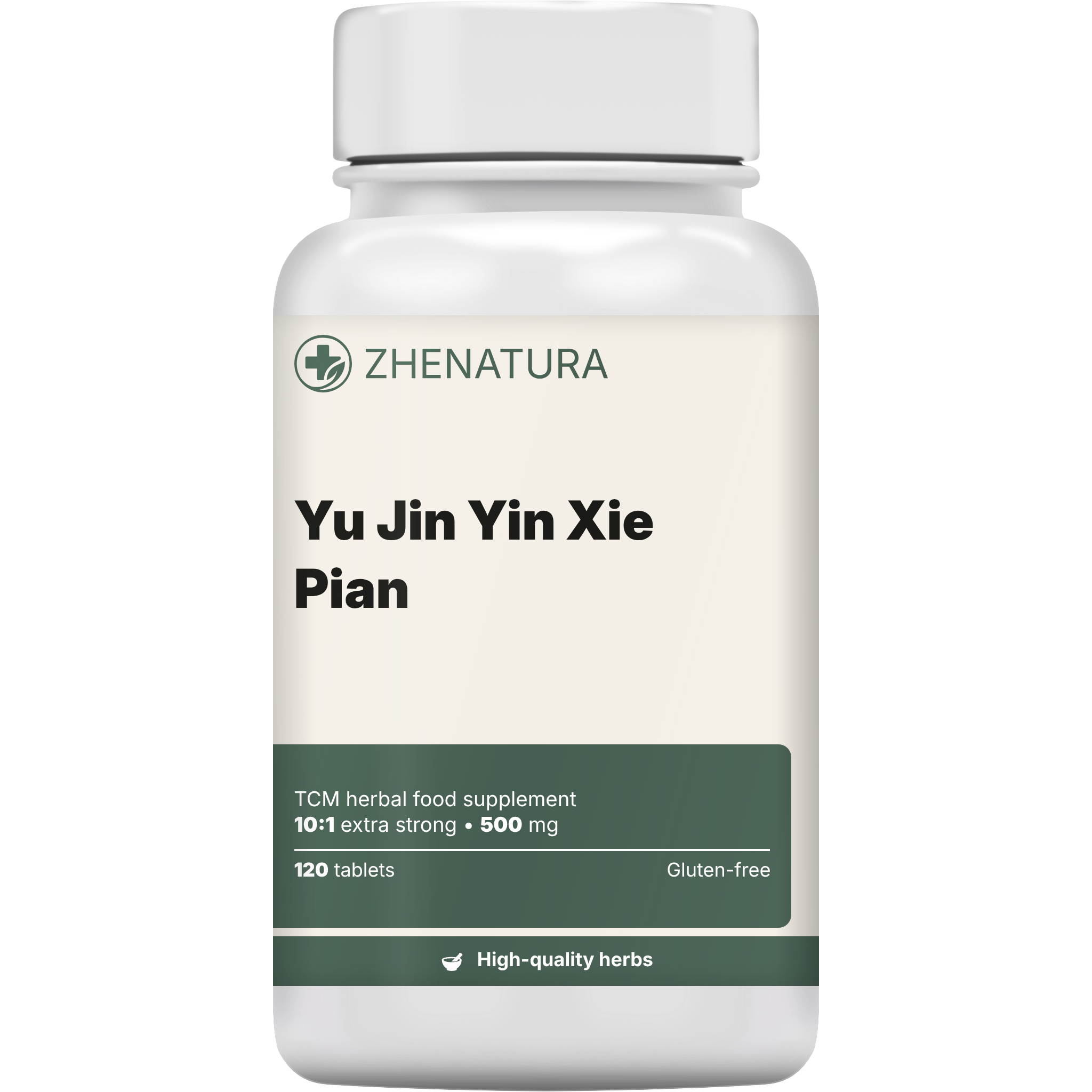
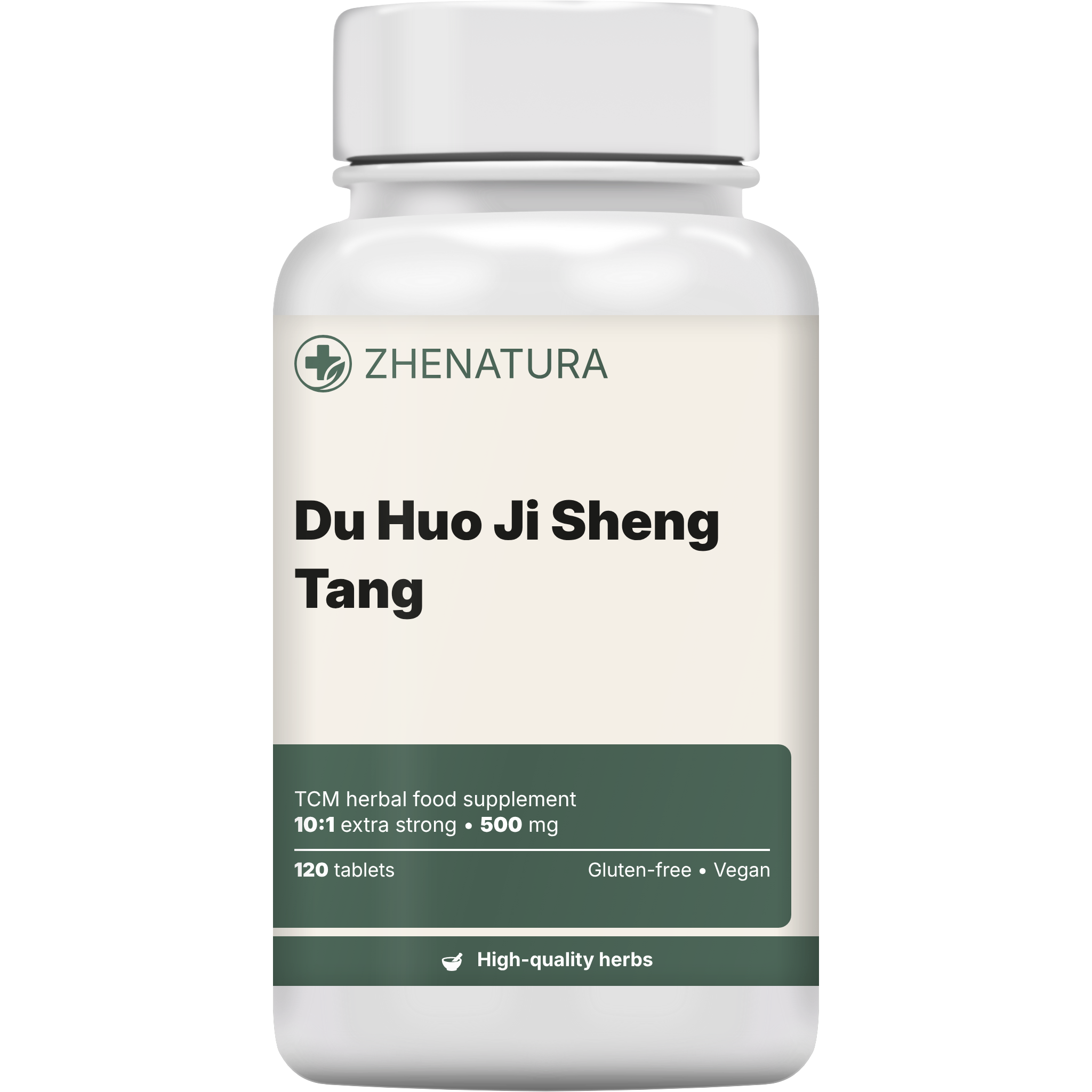
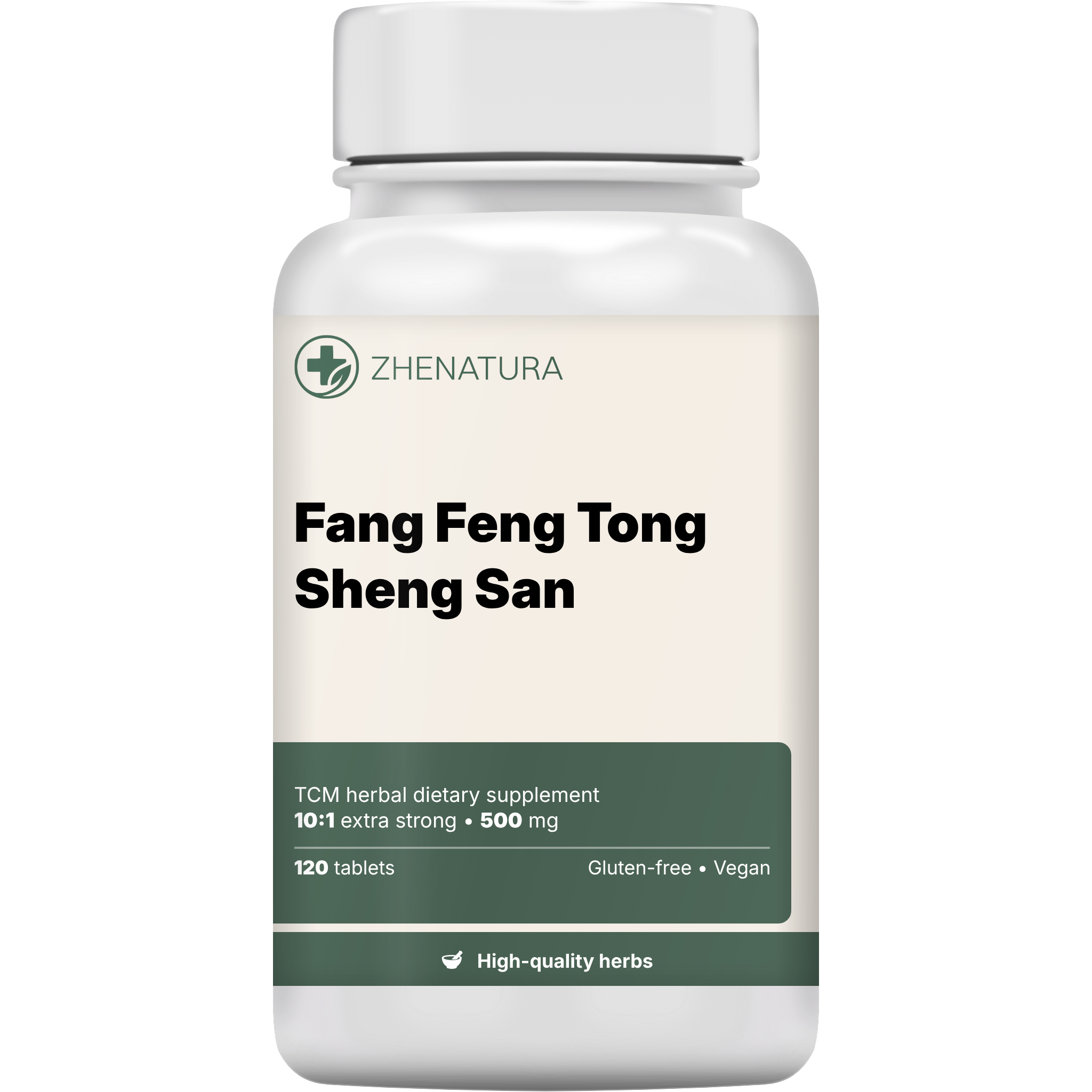
Classic Chinese herbal formulas are food supplements featuring herbal combinations rooted in historically handed-down recipes from traditional Chinese herbalism. Within Zhenatura, this category refers to products for which the historical recipe serves as the starting point. For a thorough professional assessment, the current ingredient list, botanical identity, plant parts used, and available product specifications are decisive. A traditional formula name indicates the historical origin of the recipe, but does not in itself provide a complete picture of the current product. Whenever an ingredient has been substituted or omitted (for instance, to comply with European regulations), or where ratios have been adjusted, this is clearly reflected in the product information. Moreover, ‘classic’ does not automatically mean that a formula suits every individual requirement or situation.
Well-known classic Chinese herbal formulas
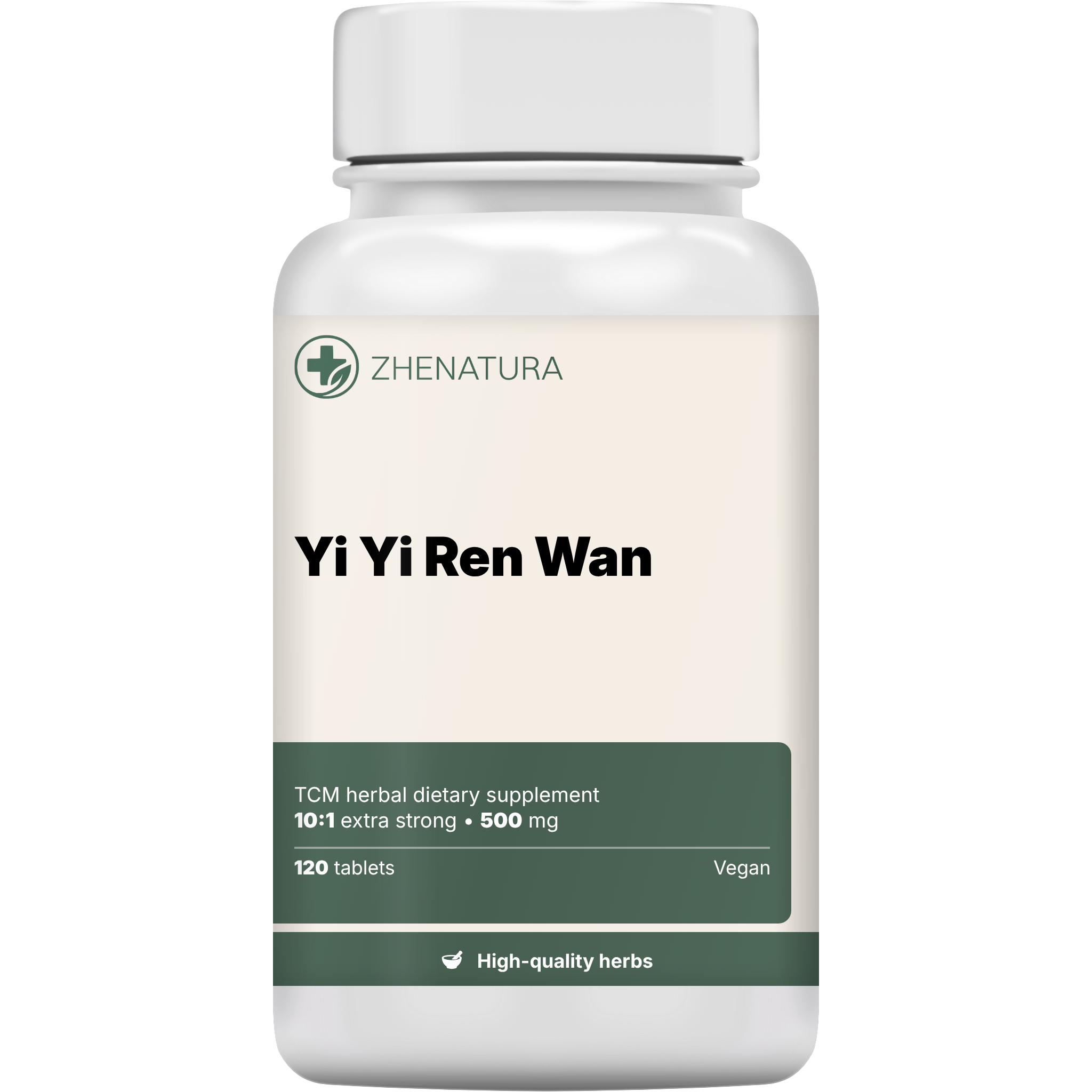
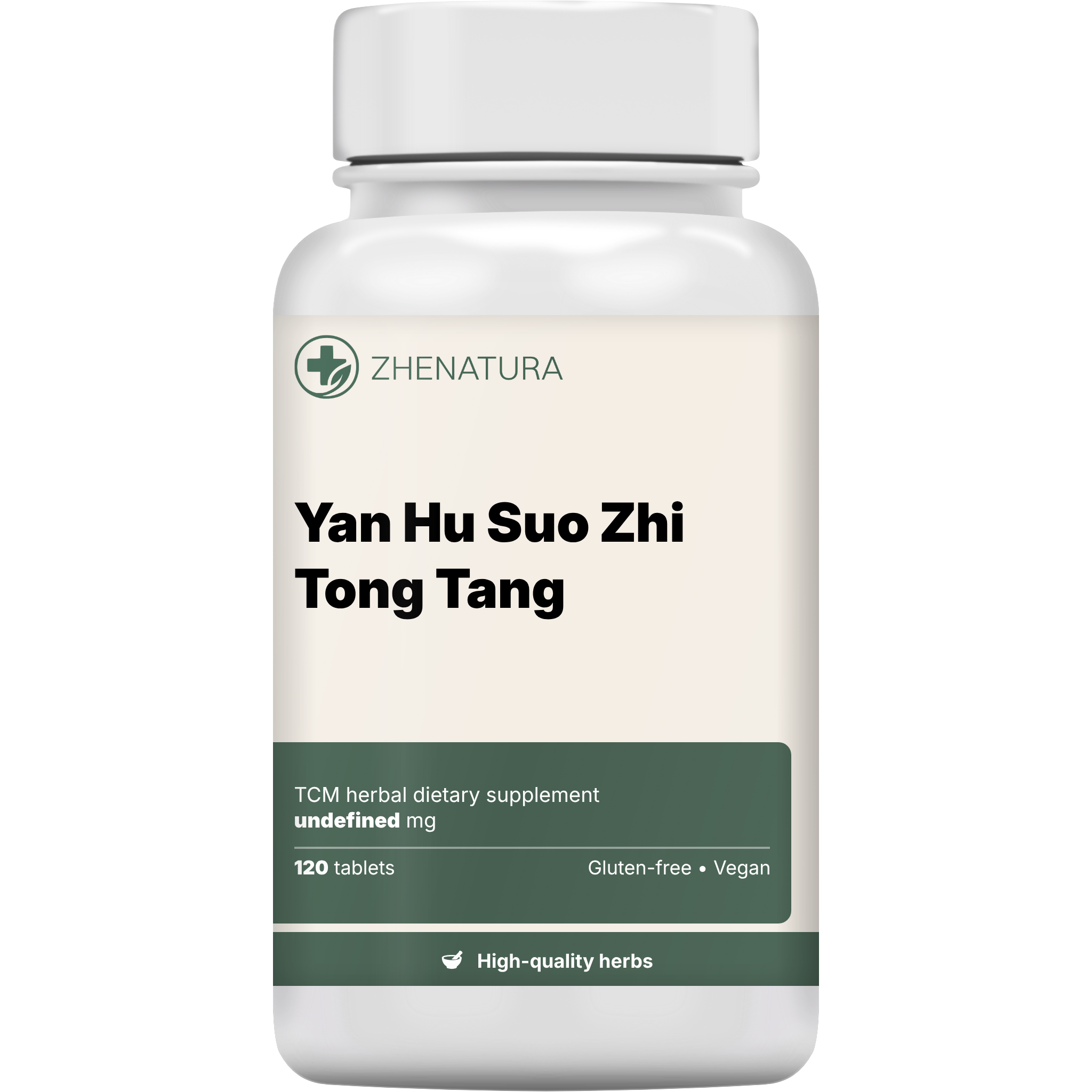
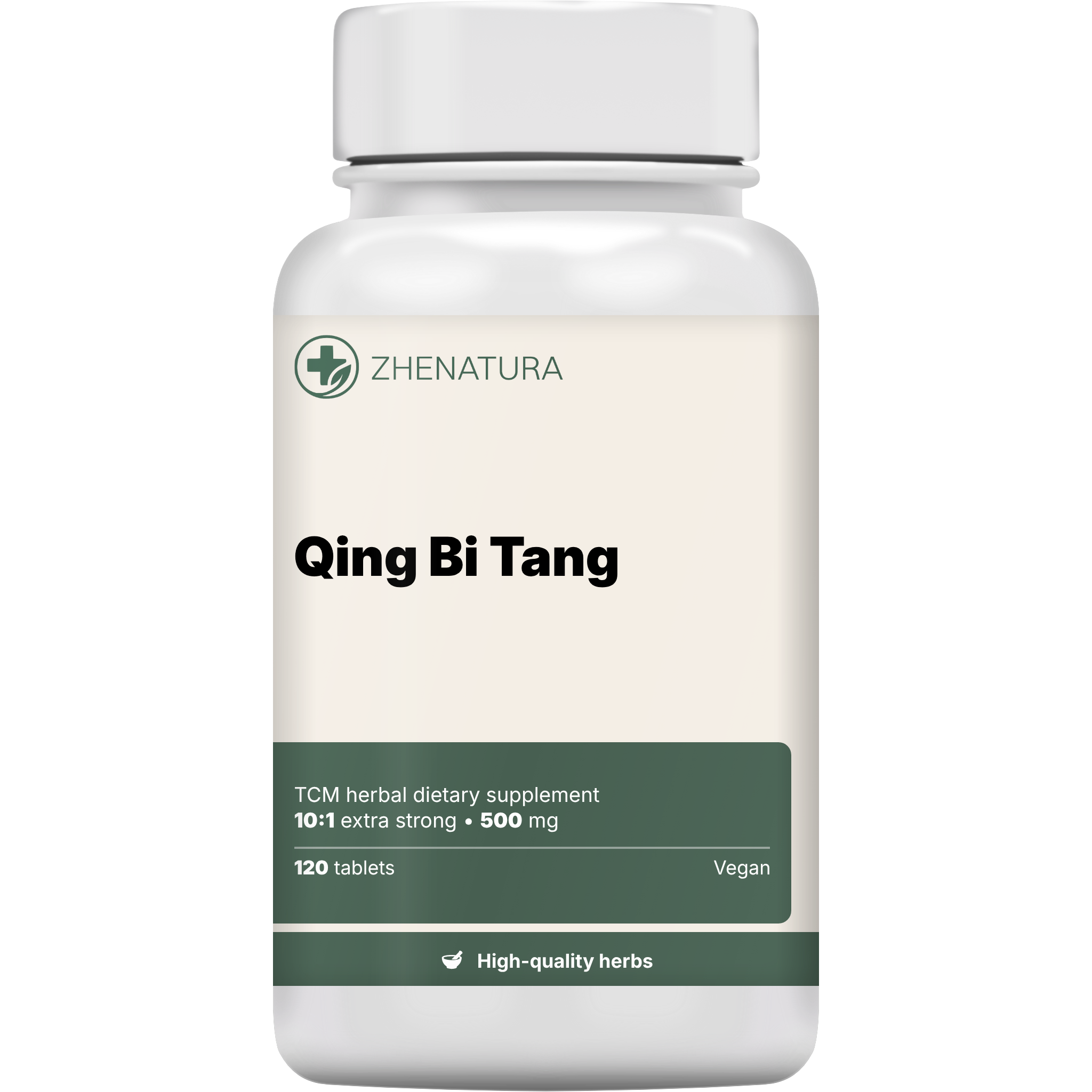
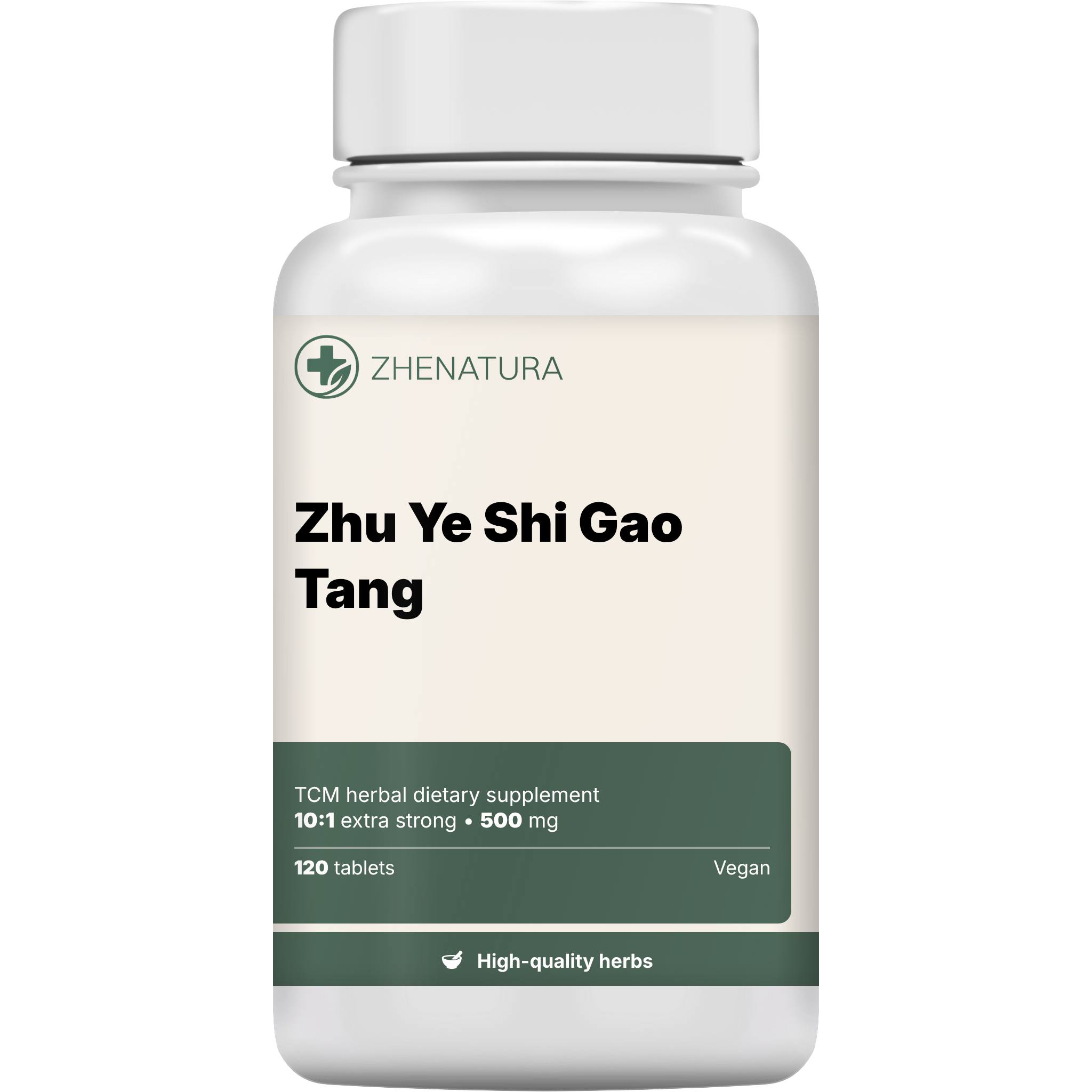
What are modern Chinese herbal formulas by Zhenatura?
Modern Zhenatura formulas build upon traditional Chinese herbal recipes or formulation principles, while featuring an adapted composition. Ingredients may have been added, substituted, or omitted, and relative ratios may also differ. Where a formula draws upon a specific classic recipe, this connection is referenced in the product information wherever applicable. The full ingredient list clearly shows how the modern formula differs from its classic foundation. On this page, ‘modern’ serves purely as a range classification used by Zhenatura. This label does not automatically mean that a formula is more concentrated or more broadly applicable than a classic herbal formula.
Frequently selected modern Chinese herbal formulas
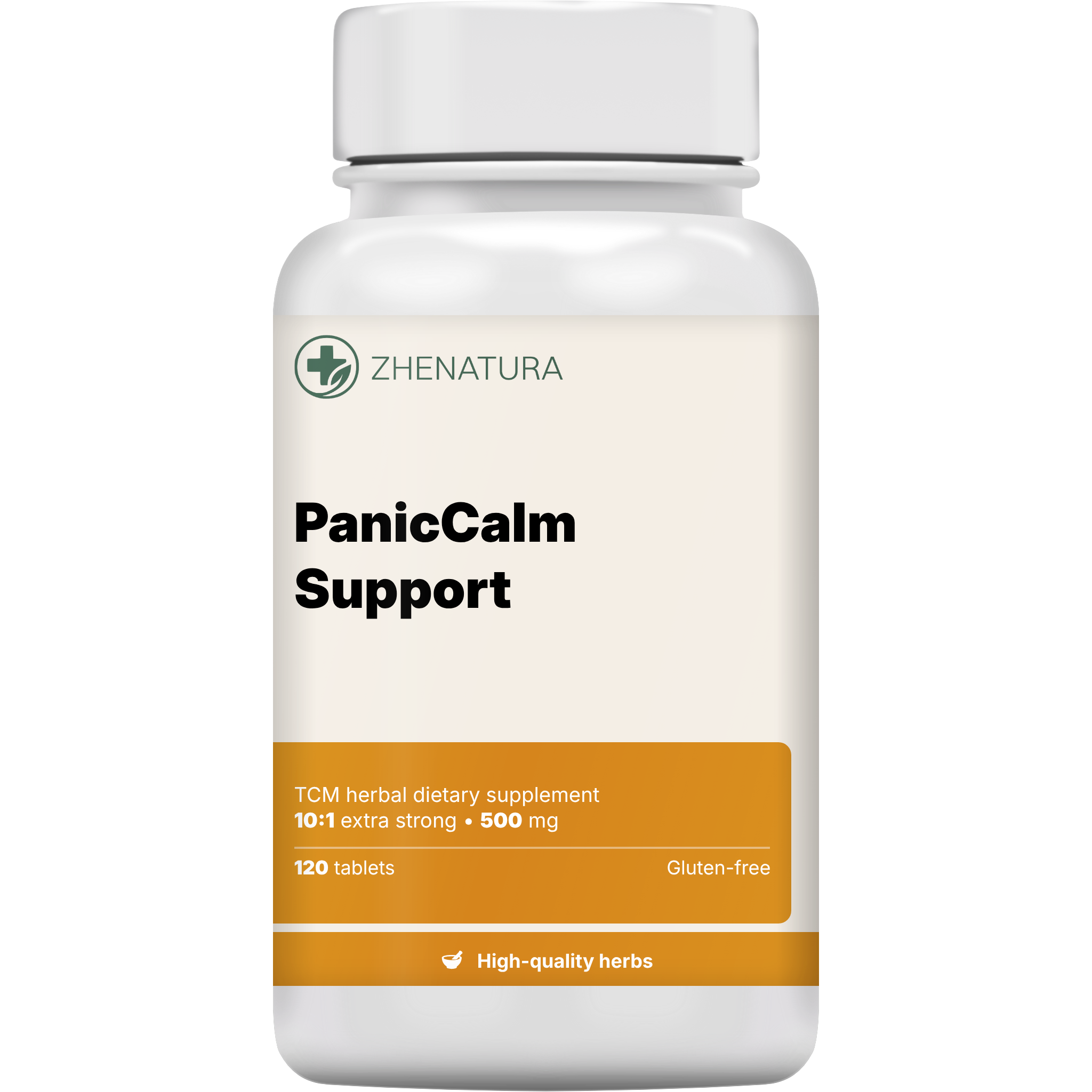
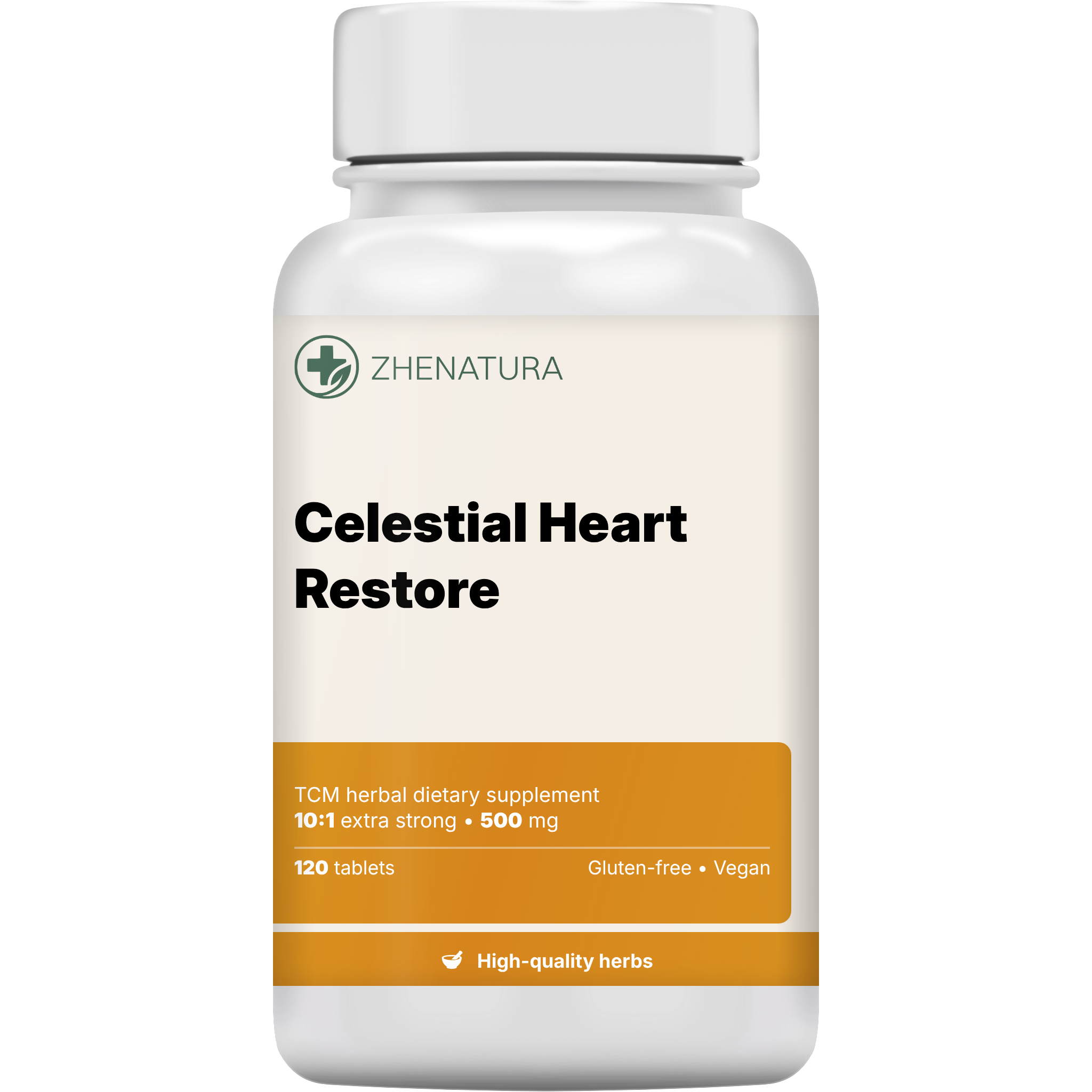
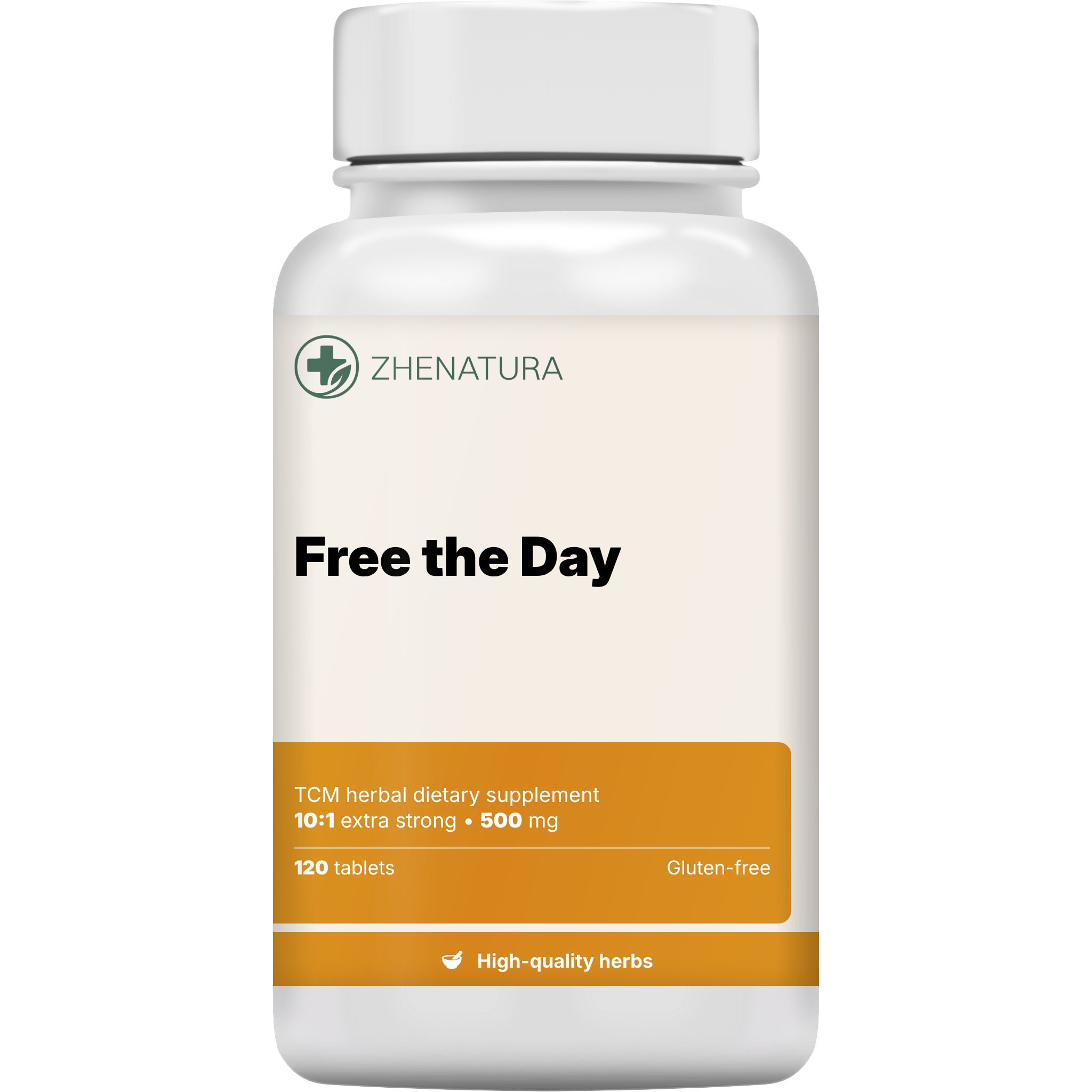
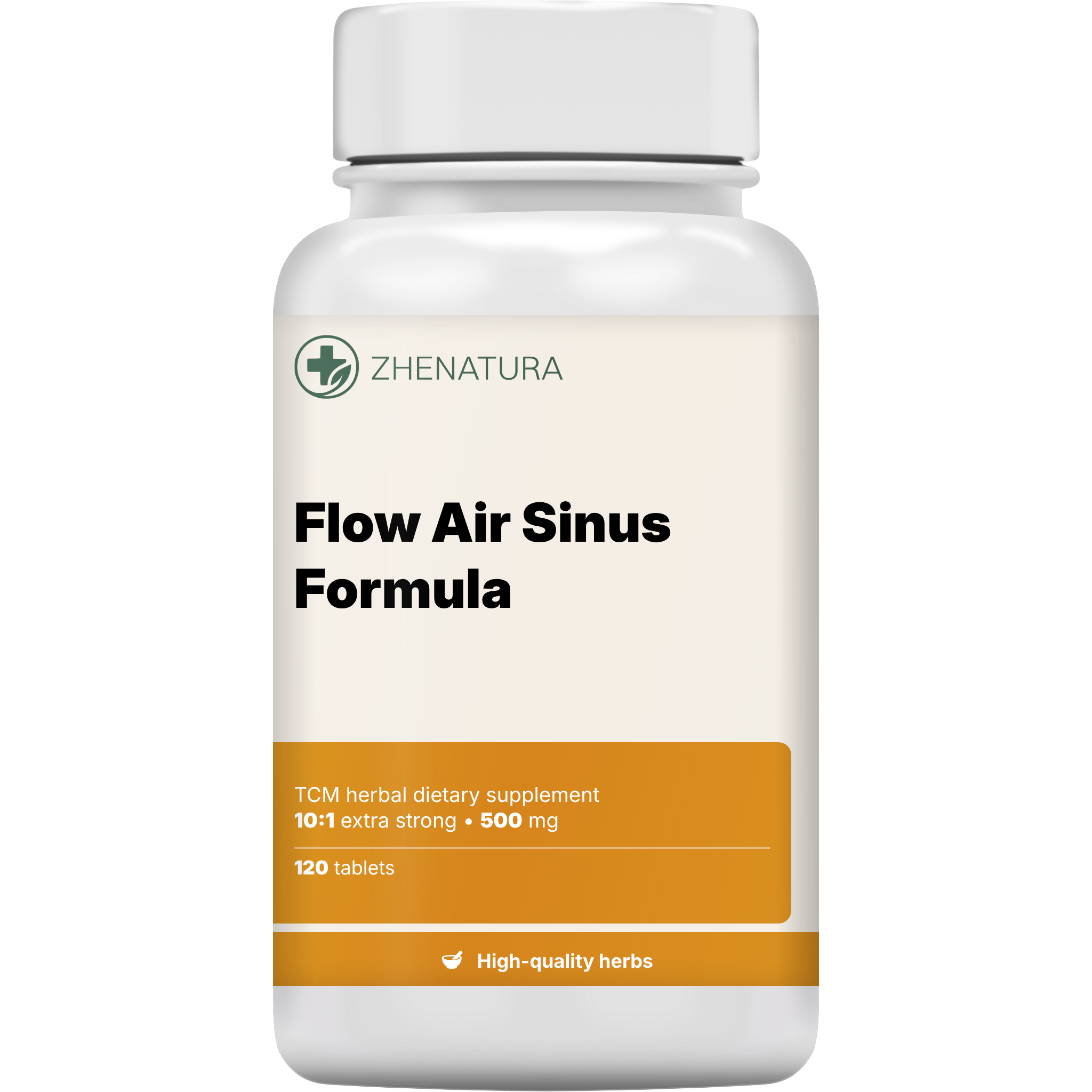
Example: Gui Pi Tang and Balance the Shen
Gui Pi Tang is a classic formula name within traditional Chinese herbalism. Within the Zhenatura range, Balance the Shen is presented as a modern, adapted herbal formula inspired by Gui Pi Tang. Consequently, the two products are not directly interchangeable. Always compare the current ingredient lists, quantities per daily serving, and directions for use to assess the differences.
What to look out for when comparing herbal formulas?
Look beyond the labels ‘classic’ and ‘modern’, and compare in particular the full ingredient list, quantities per recommended daily dose, extract ratios, and directions for use. In addition, always check the mandatory warnings and any relevant considerations regarding concurrent medication use or combination with other food supplements. A traditional constitutional or pattern description from Chinese herbal teaching is expressly not equivalent to a medical indication.
Explore classic herbal formulas
For comparing herbal combinations rooted in traditional recipes.
View classic Chinese herbal formulasExplore modern herbal formulas
For comparing adapted herbal combinations and their composition.
View modern Chinese herbal formulas