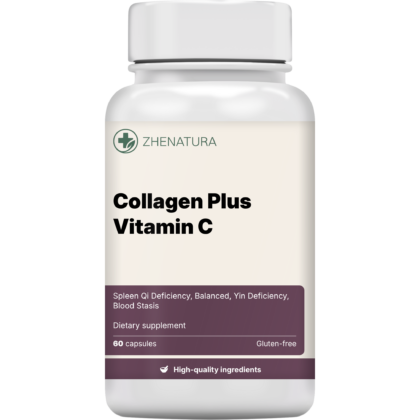
Hǎiyáng jiāoyuán dànbái
Marine Collagen (Fish) – Type I collagen peptides for skin, connective tissue, and healthy aging
Marine collagen is collagen sourced from fish, most commonly from the skin and scales, and in supplements it is usually provided as hydrolyzed fish collagen peptides. It is especially known as a source of type I collagen, the most abundant collagen type in skin, bones, tendons, and other connective tissues.
Characteristics, Origin, and Composition
Fish collagen is commonly broken down through enzymatic hydrolysis into smaller peptides, which improves solubility and absorption compared with intact collagen. Marine collagen is often positioned as an alternative to bovine or porcine collagen, especially for people who prefer a fish-derived source or avoid other animal sources.
Use in Dietary Supplements
Marine collagen is used most often for skin support; clinical studies and reviews describe improvements in skin elasticity, hydration, collagen density, and wrinkle appearance after several weeks of use, although more large human studies are still needed. It is also commonly included in formulas for connective tissue, bones, tendons, joints, hair, and nails because type I collagen is structurally important in those tissues.
Everyday Use and Well-Being
Marine collagen is typically taken daily in powders, sticks, or capsules, often as collagen hydrolysate or collagen peptides, and many products provide a few grams per day. Dietary supplements do not replace proper nutrition or medical treatment, and people with a fish allergy should check labels carefully or avoid use.