Lào ān suān
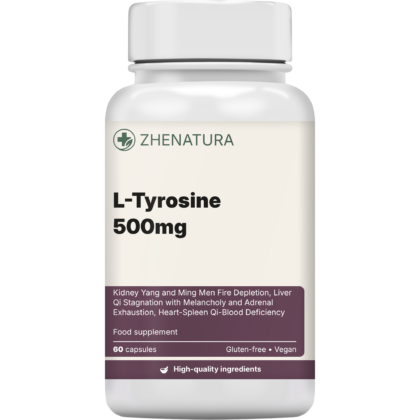
L-Tyrosine – Amino acid for focus, stress resilience, and neurotransmitters
L-tyrosine is a non-essential amino acid that the body can synthesize from phenylalanine. In supplements, it is mainly used as a precursor for dopamine, noradrenaline, adrenaline, and thyroid hormones, which is why it is marketed for focus, motivation, and performance under stress.
Characteristics, origin, and function
L-tyrosine works primarily by supporting catecholamine production, which matters for alertness, stress response, and cognitive performance. In stressful conditions such as cold exposure, sleep deprivation, or other acute strain, research suggests tyrosine may help preserve thinking ability, memory, and stress tolerance. In ordinary day-to-day situations, its effects seem less pronounced than in clearly stressful settings.
L-tyrosine is commonly sold as capsules or powder and is also used in pre-workout products.
Use in dietary supplements
L-tyrosine is commonly used:
-
For focus and mental sharpness during stressful periods.
-
In pre-workout and performance formulas.
-
To support the production of neurotransmitters and thyroid hormones.
Everyday use and well-being
The ideal dose is not firmly established; research doses range from 500 mg to 12 g per day, while general supplement guidance often falls around 500 mg to 1 g daily. Much higher doses have also been studied for stress, including about 100 to 150 mg per kilogram of body weight or 100 to 300 mg per kilogram per day in adults. People with thyroid conditions or questions about thyroid medication should use extra caution because tyrosine is involved in thyroid hormone synthesis.