-
Log in to view price

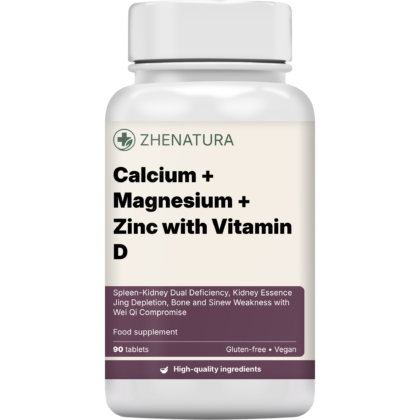
Calcium + Magnesium + Zinc with Vitamin D
-
Log in to view price

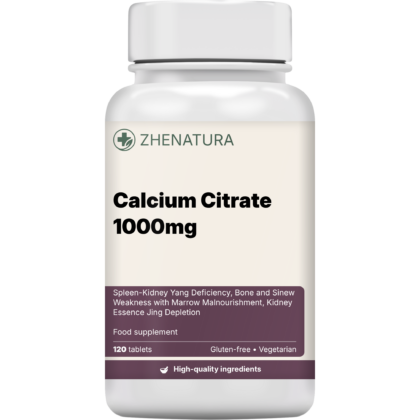
Calcium Citrate 1000mg
-
Log in to view price

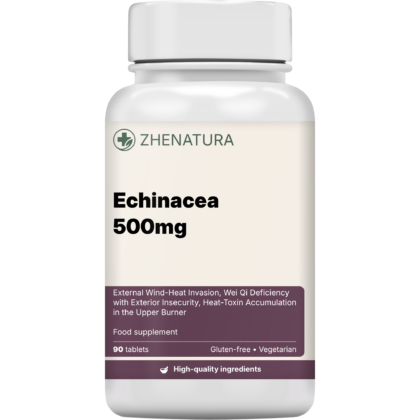
Echinacea 500mg
-
Log in to view price

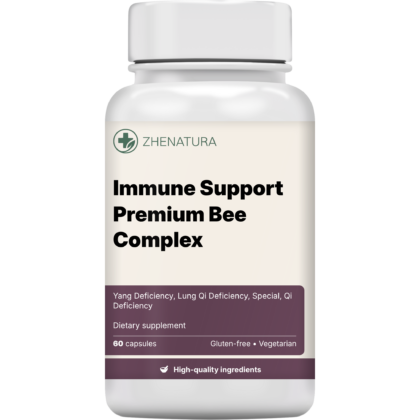
Immune Support Premium Bee Complex
-
Log in to view price

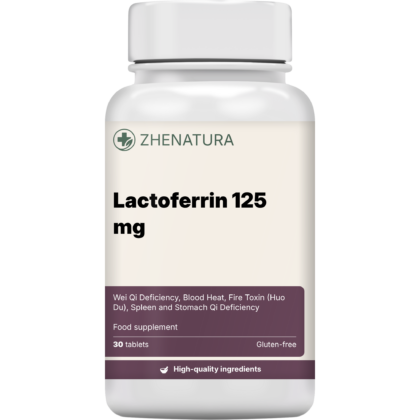
Lactoferrin 125 mg
-
Log in to view price

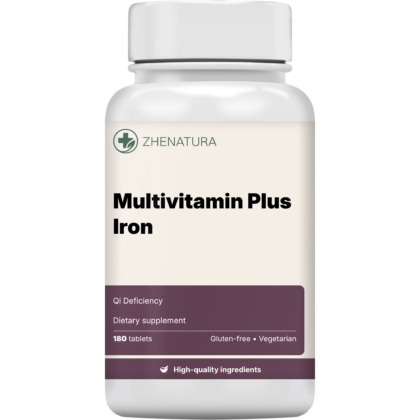
Multivitamin Plus Iron
-
Log in to view price

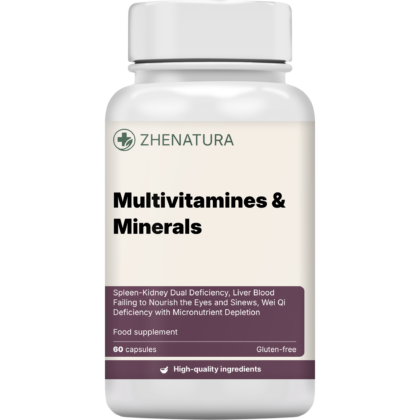
Multivitamines & Minerals
-
Log in to view price

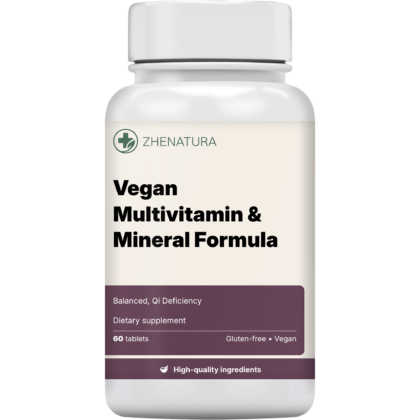
Vegan Multivitamin & Mineral Formula
-
Log in to view price

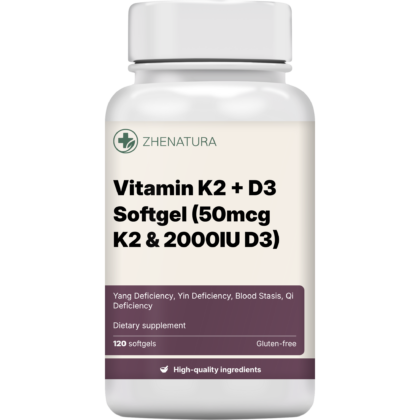
Vitamin K2 + D3 Softgel (50mcg K2 & 2000IU D3)
Wéishēngsù D3
Vitamin D3 – The sunshine vitamin for strong bones and a healthy immune system
Vitamin D is a fat-soluble vitamin that our bodies can synthesize naturally upon exposure to sunlight. In dietary supplements, the form almost universally used is vitamin D3 (cholecalciferol), as it is the most highly bioavailable and effective form for the human body. It is widely used (and frequently officially recommended by health authorities) to support the immune system, maintain the structural integrity of bones and teeth, and ensure proper muscle function as a fundamental component of a healthy lifestyle.
Characteristics, Origin, and Composition
While vitamin D is present in small amounts in certain foods (such as fatty fish, eggs, and butter), our primary natural source is the sun. When ultraviolet B (UVB) rays hit the skin, an enzyme converts a cholesterol-like compound into vitamin D3. Once inside the body, vitamin D acts more like a hormone than a traditional vitamin. It travels to the liver and then the kidneys, where it is converted into its metabolically active form (calcitriol). The primary function of this active form is to regulate calcium and phosphate metabolism; without sufficient vitamin D3, the body simply cannot efficiently absorb dietary calcium from the intestines. Furthermore, almost every immune cell contains receptors for vitamin D, explaining its critical role in defending against infections and modulating inflammatory responses.
Use in Dietary Supplements
Vitamin D3 is utilized in supplements (often found as liquid drops, oil-based softgels, or tablets) primarily for:
-
Bone and Dental Health: By facilitating calcium absorption and regulating the balance between bone formation and resorption, it helps prevent conditions like osteoporosis (bone loss) in adults and rickets in children.
-
Immune Support: It bolsters the body’s natural defenses against viruses and bacteria, which is why supplementation is highly recommended, particularly during the autumn and winter months.
-
Muscle Function and Vitality: It supports muscle strength and integrity; in older adults, adequate levels significantly reduce the risk of muscle weakness, falls, and subsequent fractures.
-
Mental Health and Hormone Balance: Emerging research indicates that an optimal vitamin D status positively influences cognitive function and the regulation of hormones (including insulin and testosterone).
Everyday Use and Well-Being
In northern climates, year-round or seasonal winter supplementation is formally recommended for large segments of the population, including young children, pregnant women, the elderly, individuals with darker skin, and those who spend most of their time indoors. A standard daily maintenance dosage typically ranges from 10 to 25 micrograms (400 to 1000 International Units, or IU) per day. However, health professionals may recommend temporarily higher doses (e.g., 2000 to 3000 IU) to correct a clinically diagnosed deficiency. The symptoms of a vitamin D deficiency generally develop slowly and can include chronic fatigue, muscle or joint pain, lethargy, and weakened bones. Because vitamin D is fat-soluble (meaning excess amounts are stored rather than excreted in urine), it is advisable not to structurally exceed recommended limits by extreme margins without regular blood testing. Dietary supplements do not replace proper nutrition or medical treatment.