-
Log in to view price

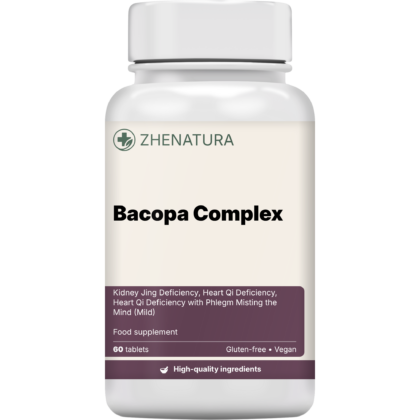
Bacopa Complex
-
Log in to view price

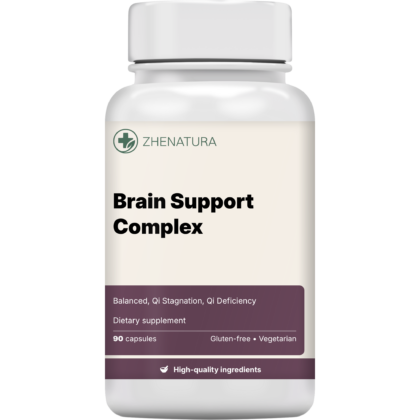
Brain Support Complex
-
Log in to view price

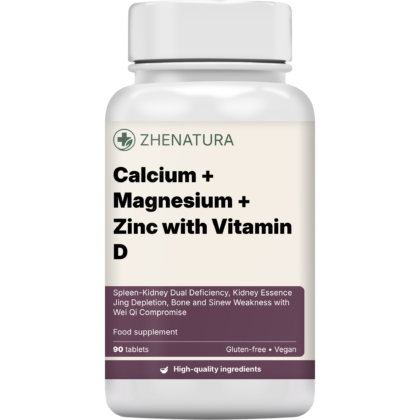
Calcium + Magnesium + Zinc with Vitamin D
-
Log in to view price

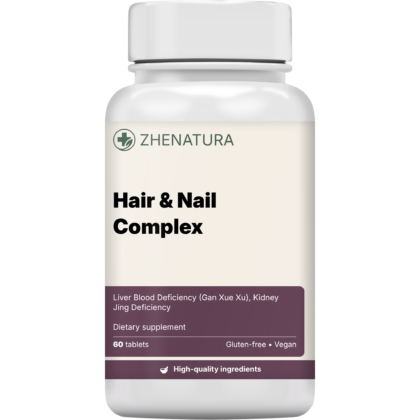
Hair & Nail Complex
-
Log in to view price

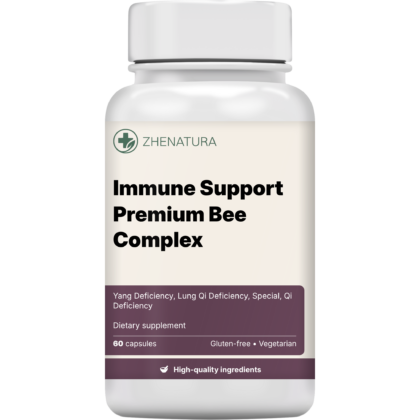
Immune Support Premium Bee Complex
-
Log in to view price

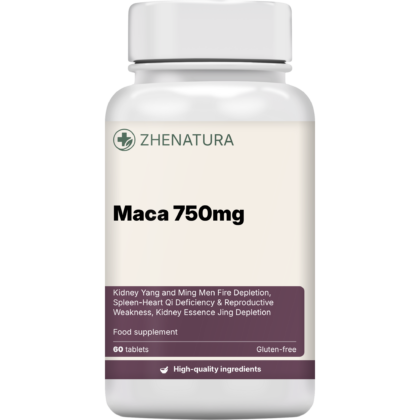
Maca 750mg
-
Log in to view price
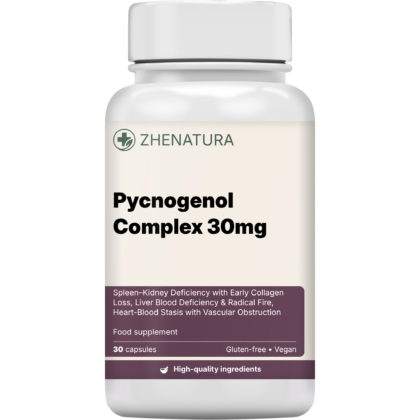
Pycnogenol Complex 30mg
-
Log in to view price
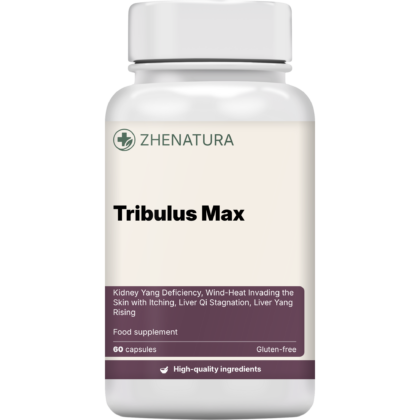
Tribulus Max
-
Log in to view price

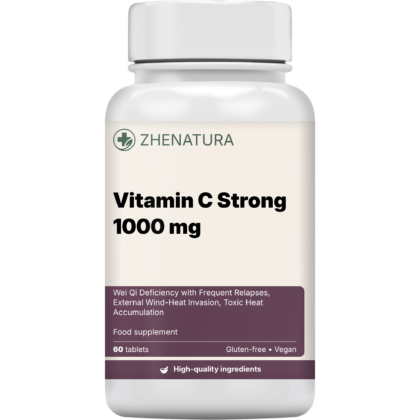
Vitamin C Strong 1000 mg
Xīng
Zinc – Essential trace mineral for immunity, wound healing, and cell division
Zinc is an essential trace mineral that the body cannot produce on its own, so it must come from food or supplements . In dietary supplements, zinc is mainly used to support immune function, wound healing, protein and DNA synthesis, growth and development, and normal taste and smell .
Characteristics, origin, and composition
Zinc is involved in many aspects of cellular metabolism and is required for the catalytic activity of hundreds of enzymes . It contributes to immune function, cell division, cell signaling, wound repair, protein synthesis, and DNA synthesis . The body contains about 1.5 grams of zinc in women and 2.5 grams in men, with most of it stored in skeletal muscle and bone . Good food sources include oysters, red meat, seafood, eggs, and dairy, while beans, nuts, and whole grains also provide zinc but generally with lower bioavailability because of phytates . Common supplemental forms include zinc sulfate, zinc acetate, and zinc gluconate .
Use in dietary supplements
Zinc supplements are commonly used:
-
To support the immune system, because zinc plays a clear role in normal immune function .
-
To aid wound healing and skin health, because zinc is needed for tissue formation and repair .
-
In cases of reduced taste or smell, or when zinc deficiency is suspected or confirmed .
-
Sometimes in lozenges or syrups for colds, because zinc may shorten cold duration by about 2 days when taken early, although the evidence is not fully consistent .
The recommended dietary allowance for adults is 11 mg per day for men and 8 mg per day for women, with higher requirements during pregnancy and lactation . Supplementation can be particularly relevant for people at higher risk of low zinc status, including those with gastrointestinal disorders or bariatric surgery, vegetarians or vegans, pregnant or lactating women, older exclusively breastfed infants, children with sickle cell disease, and people with alcohol use disorder .
Everyday use and well-being
Zinc deficiency can show up as slow wound healing, hair loss, skin lesions, poor immune response, diarrhea, and loss of taste or smell . The tolerable upper intake level for adults is 40 mg per day from all sources, because excessive intake can cause stomach pain, nausea, vomiting, diarrhea, headaches, and, with long-term excess, copper deficiency . Zinc can also interact with certain antibiotics, and taking it alongside supplements containing 25 mg or more of iron can reduce zinc absorption . Dietary supplements do not replace a balanced diet or medical care .