Main benefits
  • Pattern identification: Traditionally used for the Shao Yang disharmony with internal disturbance of Shen, where the pivot between exterior and interior is blocked and “floating Yang” and Phlegm‑Heat agitate the Heart and Liver in TCM theory.​

  • Name and core idea: The full classical name [translate:柴胡加龍骨牡蠣湯] means “Bupleurum Decoction with Added Dragon Bone and Oyster Shell,” indicating a modification of Xiao Chai Hu Tang that adds heavy, settling substances to anchor Yang and calm the Spirit (Shen).​

  • Shao Yang harmonization: Uses Chai Hu (Bupleurum) and Huang Qin (Scutellaria) to harmonize the Shao Yang layer, course Liver Qi, clear constrained Heat, and resolve the “half‑interior, half‑exterior” state typical of Shao Yang disorders.​

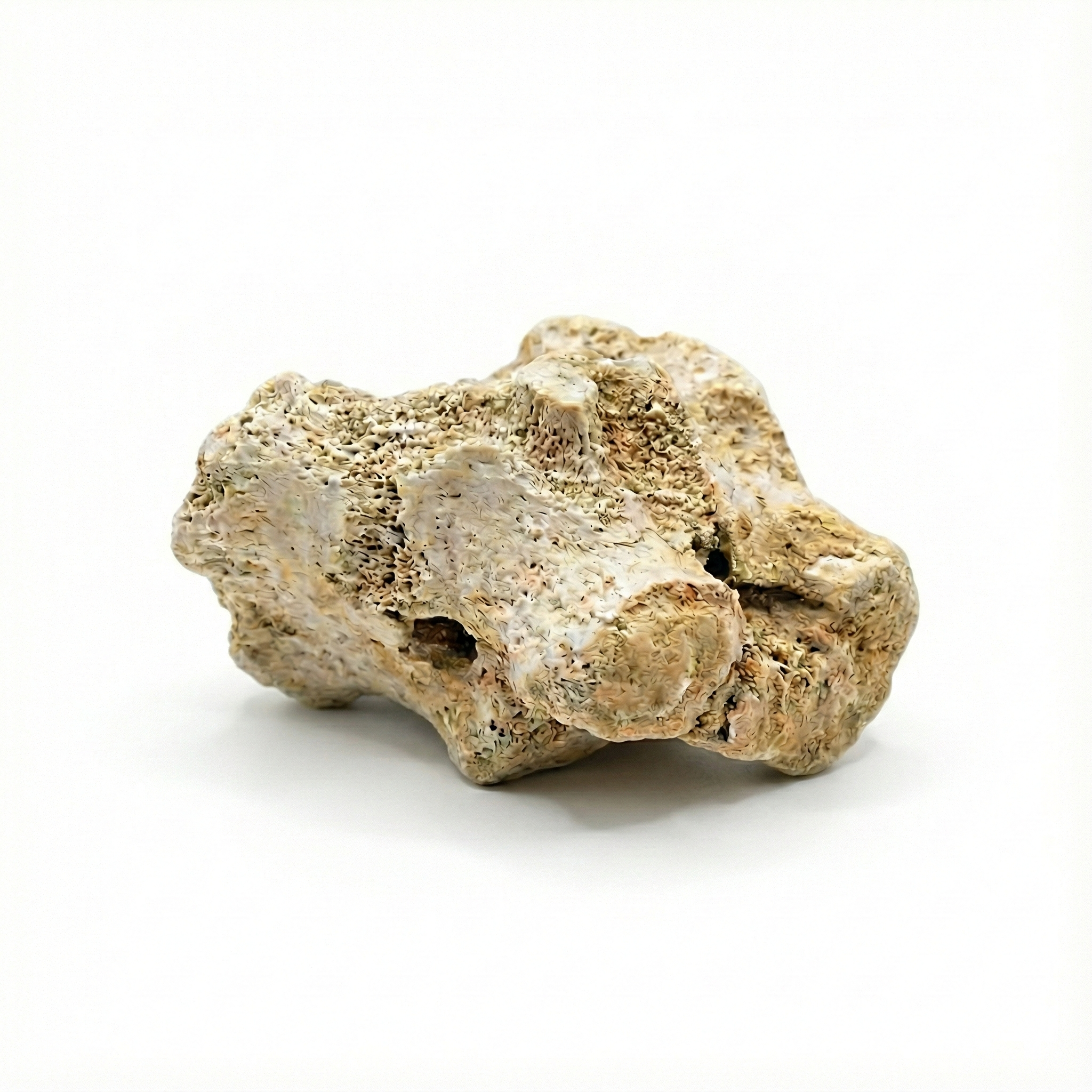
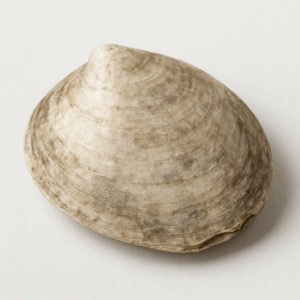
  • Anchoring floating Yang: Includes Long Gu (Dragon Bone) and Mu Li (Oyster Shell) as heavy mineral substances to anchor and subdue “floating Yang,” settle the Hun and Shen, and treat agitation, restlessness, or palpitations in the TCM sense.​

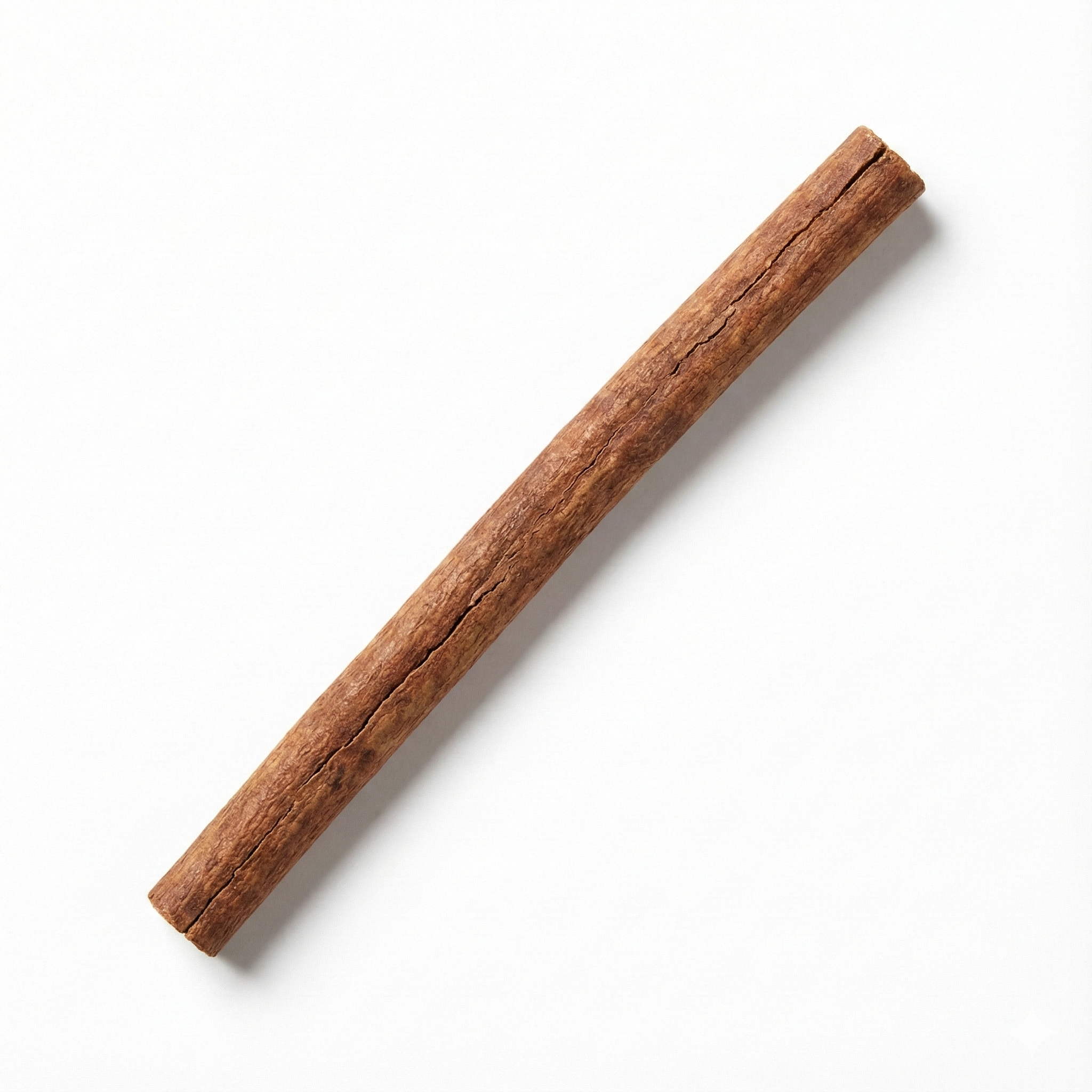
  • Phlegm‑Heat and internal excess: The presence of Da Huang (Rhubarb) and Ban Xia (Pinellia), together with Fu Ling (Poria) and Gui Zhi (Cinnamon Twig), allows the formula to purge internal excess, transform Phlegm, and open the chest so that Heat and turbidity can exit.​

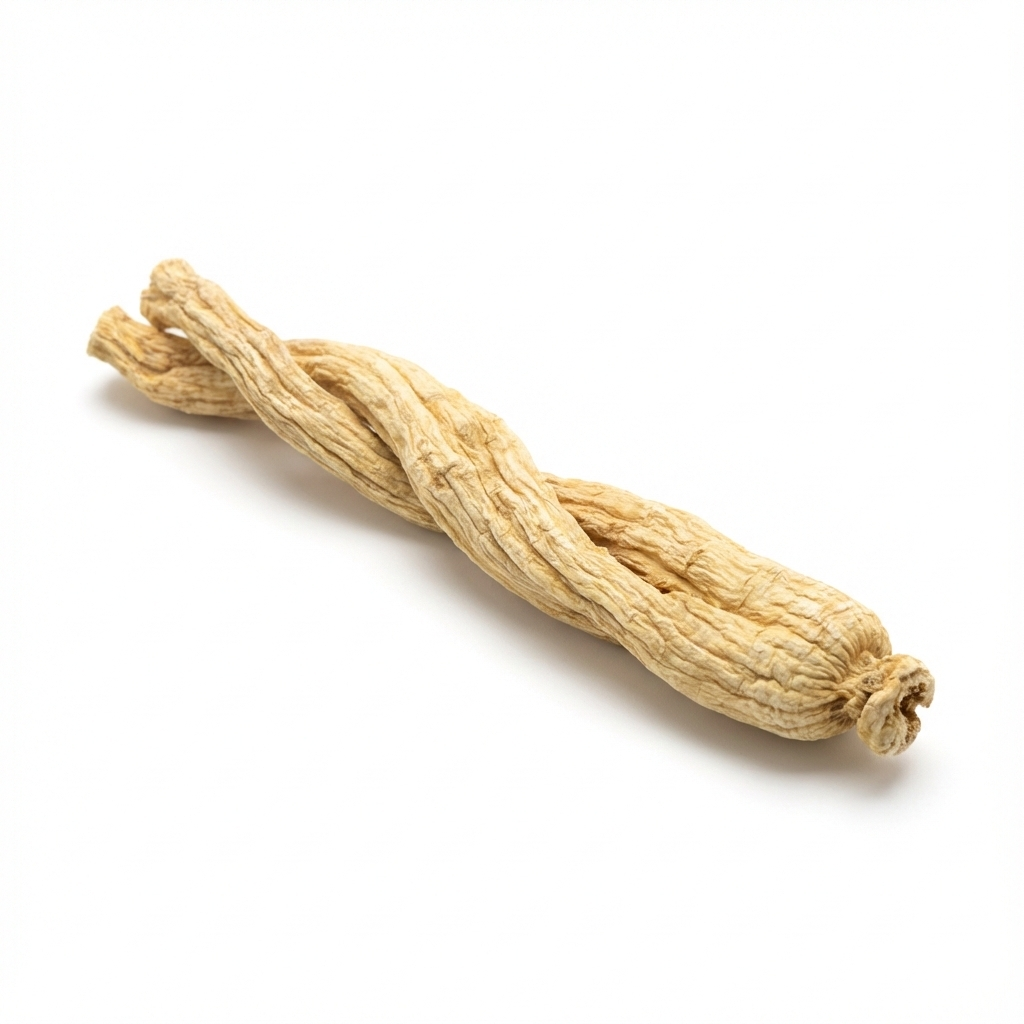
  • Qi and middle support: Ren Shen (or Dang Shen) and Fu Ling support Spleen and Heart Qi so that the system has enough Upright Qi to stabilize the Spirit and prevent further penetration of pathogenic factors into the interior.​

  • Therapeutic principles (TCM): Harmonize Shao Yang and unblock the three Yang warps. Clear constrained Heat and resolve Phlegm. Anchor Yang and calm the Shen. Regulate Qi in the chest and epigastrium.​

  • Classical heritage: First recorded in Zhang Zhong‑jing’s Shang Han Lun / Shang Han Za Bing Lun, it is regarded as a major formula for “Shao Yang with Shen disturbance,” and modern commentators often describe it as a stronger, Spirit‑calming evolution of Xiao Chai Hu Tang.


Zhenatura.com TCM: Herbal dietary supplements of Traditional Chinese Medicine origine according to European standards!

  • Strength 10:1
  • 120 tablets per bottle
  • Double or Triple the strength as regular brands
  • Less fillers and binders
  • No pharmaceuticals or dyes
  • Thorough lab testing (heavy metals, pesticides etc.)
  • Always made in controlled cGMP certified facility
  • Unbeatable value
  • European brand
TCM traditional Chinese Patents do not work immediate, it takes some time before you (and your organs) will experiences the benefits. We advice always to use minimum 1 packing and then evaluate with your prescriber!
This product is a dietary (food) supplement, to be taken as directed by a qualified practitioner. It is not intended to treat, cure, diagnose or prevent any disease. Not to replace a varied diet. Not to be taken if nursing or if pregnant. Not to be consumed continuously for longer than 3 months.

Common uses

This content is only visible to logged in users. Log in to view.


Information for professionals

This content is only visible to logged in users. Log in to view.
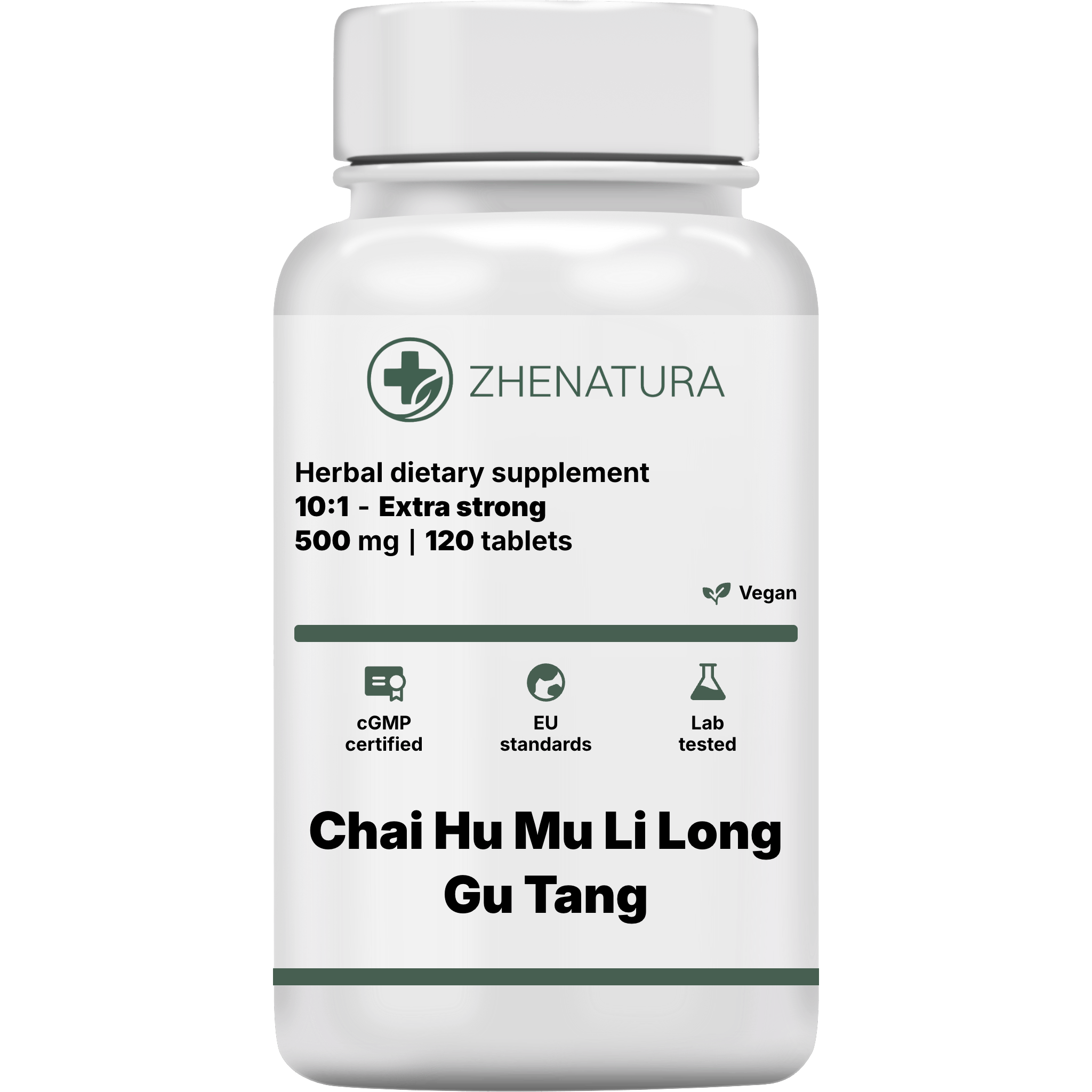
Zhenatura Chai Hu Mu Li Long Gu Tang Extra Strong is based on the classical Chai Hu Jia Long Gu Mu Li Tang (“Bupleurum, Dragon Bone, and Oyster Shell Decoction”), first recorded in the Han dynasty text Shang Han Lun (Treatise on Cold Damage) by Zhang Zhongjing. In the context of traditional Chinese herbal history, this combination of botanicals and natural minerals was described as a method to “harmonize the Yin and Yang” and “regulate the Qi” within the TCM theoretical framework. These descriptions relate exclusively to traditional interpretations and do not refer to modern anatomy, neurology, or verified physiological effects.

1
Antidepressant and Neuroprotective Effects
https://pmc.ncbi.nlm.nih.gov/articles/PMC6328878/

Please note: This summary is a concise interpretation of the original article; please refer to the source for the full context and details.

Preclinical Study (Mice Model):

A single dose of Chaihu-jia-Longgu-Muli-tang (CLM) demonstrated immediate and persistent antidepressant-like effects. It upregulated hippocampal brain-derived neurotrophic factor (BDNF), a key protein in neurogenesis and mood regulation. Behavioral tests (tail suspension, forced swim) confirmed reduced depressive symptoms.

Mechanism: BDNF upregulation suggests rapid modulation of neuroplasticity, contrasting with conventional antidepressants’ delayed onset.


2
Stress and Anxiety Reduction
https://yosan.edu/wp-content/uploads/2015/08/Lamoureux-Capstone-for-Library.pdf

Please note: This summary is a concise interpretation of the original article; please refer to the source for the full context and details.

Clinical Trial (Human Subjects):

A 2014 non-randomized trial tested a modified formula (Chai Hu Long Gu Mu Li Tang Jia Jian) in stress management. After one month:

Significant reduction in Perceived Stress Scale scores (p = 0.001).

Participants reported improved emotional stability and reduced restlessness.

TCM Theory: The formula anchors “floating Yang,” calming spirit disturbance linked to stress.


3
Sleep and Cognitive Improvement
https://www.frontiersin.org/journals/endocrinology/articles/10.3389/fendo.2023.1206353/full

Please note: This summary is a concise interpretation of the original article; please refer to the source for the full context and details.

Chronic Kidney Disease (CKD) Model (Mice):

CLM decoction (CLMD) restored orexin-A function in CKD mice, improving:

Sleep architecture and circadian rhythm.

Cognitive performance (memory, learning).

Reduced neuroinflammation via CaMKK2/AMPK/NF-κB pathway modulation.

Human Applications: Used for insomnia, especially with comorbid CKD.


4
Hypertension Management
https://onlinelibrary.wiley.com/doi/10.1155/2020/9101864

Please note: This summary is a concise interpretation of the original article; please refer to the source for the full context and details.

Systematic Review (2020):

CLM significantly lowered blood pressure in hypertensive patients, particularly when combined with conventional drugs. Benefits included:

  • Improved lipid profiles.

  • Reduced anxiety symptoms.

Mechanism: Modulates neurotransmitters and vascular tone.


For Chai Hu Mu Li Long Gu Tang, take 3 tablets 2 times per day. These should be taken before or after meal.

Total pieces in package: 120 tablets

Dosage: 3 tablets

Frequency: 2 times a day before or after meal


Side effects

Digestive discomfort

Dryness

Fatigue & Weakness

Lightheadedness

Mild dizziness

Restlessness


Allergies

Individuals allergic to any of the herbal ingredients should avoid use. Discontinue immediately if any allergic reactions, such as rash, itching, or swelling, occur.

Dragon Bone

Ginseng

Licorice

Oyster Shell

Pinellia Allergy


Avoid medicine interactions

Antidepressants and Anxiolytics

Antihypertensive Medications

Corticosteroids

Laxatives

Sedatives or CNS-Acting Drugs

Sleeping Medications

Stimulants: like caffeïne or ADHD medicine.


Precautions

Discontinue use if allergic reaction occurs.

Do not use if pregnant or breastfeeding.

Do not use in combination with cold medicines.

Consult your herbalist or physician before use if you are taking other medications or receiving other medical treatments.

Consult your herbalist or doctor before use if you have high blood pressure, or if you are children, old or very weak.

Keep out of reach of children.


Indemnification

This product is a dietary supplement, and should only be used as prescribed by a qualified acupuncturist, herbalist, phyto- or TCM therapist. This product is not intended to diagnose, treat, prevent or cure any disease. Always consult a qualified doctor or healthcare professional before using this. A healthy lifestyle is important, as is a varied, balanced diet, for which supplements are not a substitute.

TCM traditional Chinese Patents do not work immediate, it takes some time before you (and your organs) will experiences the benefits. 1 packing adviced and then evaluate with your prescriber!

Allergies

, , , ,

Avoid medicine interactions

, , , , , ,

Formula types

Ingredients

, , , , , , , , , ,

Ingredients Pinyin

, , , , , , , , , ,

Original classical patents

, , ,

Original classical patents Pinyin

, , ,

Pulse diagnoses

, ,

Side effects

, , , , ,

Symptoms (for reference only)

, , , , , , , , ,

TCM constitutions

, , , , ,

TCM patterns

,

Tongue diagnoses

, , ,