-
Log in to view price

AllerSeason Formula
-
Log in to view price

Ba Zhen Tang
-
Log in to view price

Balance the Shen
-
Log in to view price

Ban Xia Xie Xin Tang
-
Log in to view price

Bu Zhong Yi Qi Tang
-
Log in to view price

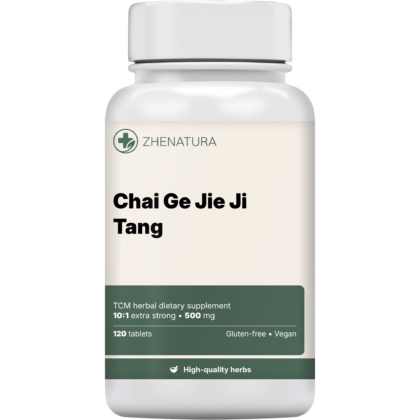
Chai Ge Jie Ji Tang
-
Log in to view price

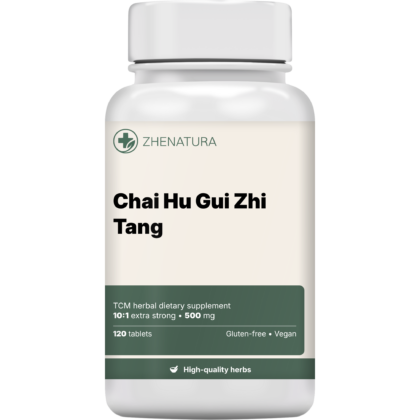
Chai Hu Gui Zhi Tang
-
Log in to view price

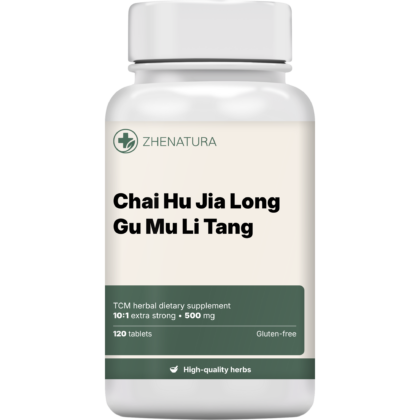
Chai Hu Jia Long Gu Mu Li Tang
-
Log in to view price

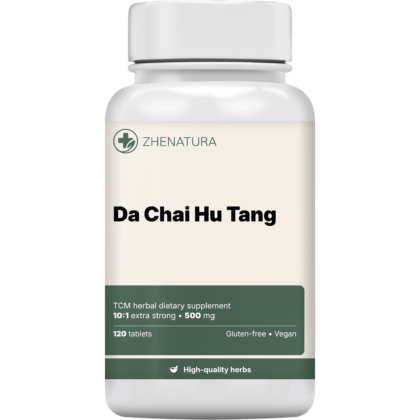
Da Chai Hu Tang
-
Log in to view price

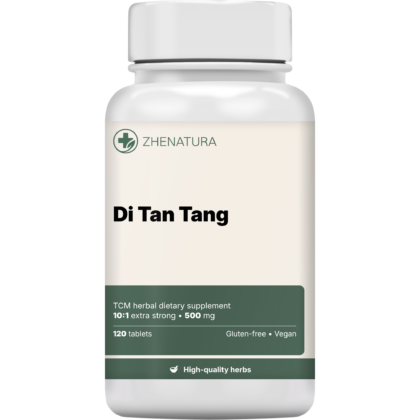
Di Tan Tang
-
Log in to view price

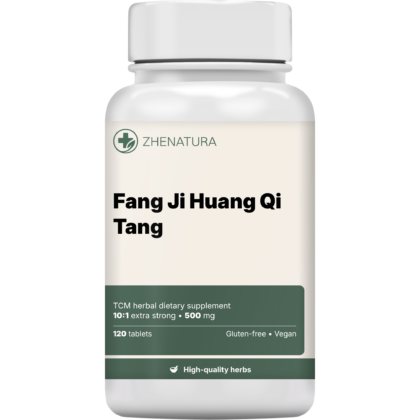
Fang Ji Huang Qi Tang
-
Log in to view price

Free the Day
Jujube Fruit
Jujube Fruit (Da Zao) – The Fruit Used in Traditional Systems to Nourish Energy and Calm the Mind
Jujube fruit (Da Zao) is the traditional Chinese medicine name for the dried, ripe fruit of Ziziphus jujuba (Chinese date), a sweet red fruit that has been part of traditional East Asian herbal systems for over 2000 years. It is regarded as a gentle, nourishing botanical with warm and tonifying properties, particularly suitable for formulas aimed at supporting digestive vitality, replenishing energy, and promoting emotional balance.
Traditional Understanding in TCM Systems
Within traditional Chinese medicine, jujube fruit (Da Zao) is described as a sweet herb with warm properties. In the TCM theoretical framework, it acts primarily on the Spleen and Stomach meridians, and is also traditionally associated with support for the Heart. According to this traditional description, jujube fruit tonifies the so-called “Qi” (vital energy), nourishes Blood, and calms the “Shen” (spirit or inner calm).
In TCM formulas, jujube fruit (Da Zao) is seen as a harmonizing ingredient that helps strengthen the digestive center while softening the harshness of other herbs in a formula. It is traditionally used to support appetite, improve resilience during fatigue, nourish the body after strain, and settle emotional restlessness.
Botanical Composition and Research
Jujube fruit (Da Zao) contains a rich nutritional and phytochemical profile, including natural sugars, polysaccharides, flavonoids, triterpenic acids, amino acids, cyclic nucleotides, and vitamin C. This phytochemical composition is connected in traditional applications with support for metabolic vitality, immune balance, and nervous system calm.
Modern scientific research shows that jujube fruit extracts can offer specific benefits. Studies show that jujube fruit (Da Zao) preparations:
-
Possess antioxidant activity and can help combat free radicals
-
Can support normal digestive comfort and gastrointestinal mucosal health
-
Help promote a balanced immune response
-
Can support normal sleep quality and emotional relaxation
-
Possess mild anti-inflammatory properties
-
Can support normal liver function and cellular protection
-
Provide gentle nutritional support during fatigue and recovery
Scientists particularly investigate how the polysaccharides, flavonoids, and triterpenes of this fruit can contribute to normal immune regulation, digestive resilience, and a balanced stress response.
Traditional Applications – TCM Context
In traditional TCM formulas, jujube fruit (Da Zao) is classically used in situations described as:
-
Fatigue, weakness, or low energy
-
Poor appetite or sluggish digestion
-
Loose stools linked to digestive weakness
-
Restlessness, irritability, or emotional tension
-
Difficulty falling asleep or light, disturbed sleep
-
Palpitations or a feeling of inner unease
-
General weakness after illness or prolonged stress
These are traditionalist descriptions that form part of the TCM thinking system and must not be equated with medical diagnoses in the sense of European medicinal product law.
Well-being and Daily Use
Jujube fruit (Da Zao) is valued by modern users as part of a conscious wellness routine aimed at digestive support, gentle nourishment, and emotional calm, especially for individuals experiencing stress-related fatigue, reduced appetite, or difficulty unwinding in the evening. The fruit works optimally in balanced herbal mixtures, teas, and traditional food-based preparations, combined with a nutrient-dense diet, regular meals, and adequate rest.
Many users see jujube fruit (Da Zao) as part of a long-term, foundational approach to well-being – as a supportive element in traditional routines, alongside professional guidance and regular medical care when needed.