-
Log in to view price

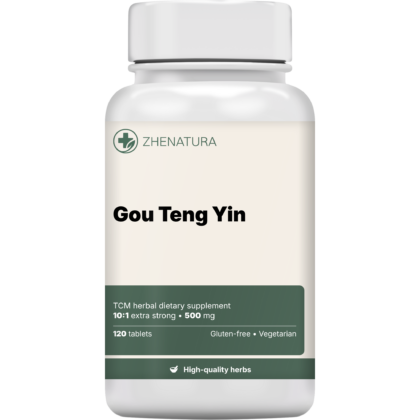
Gou Teng Yin
-
Log in to view price

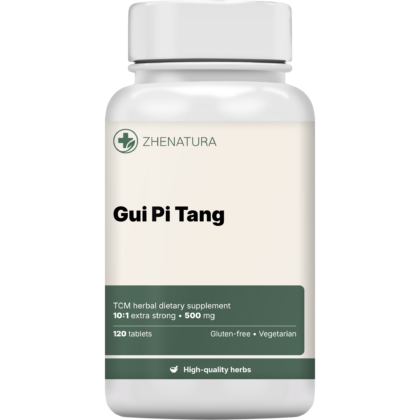
Gui Pi Tang
-
Log in to view price

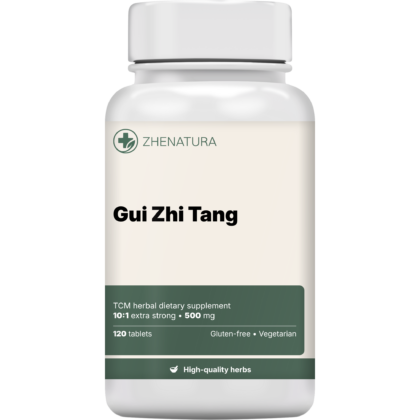
Gui Zhi Tang
-
Log in to view price

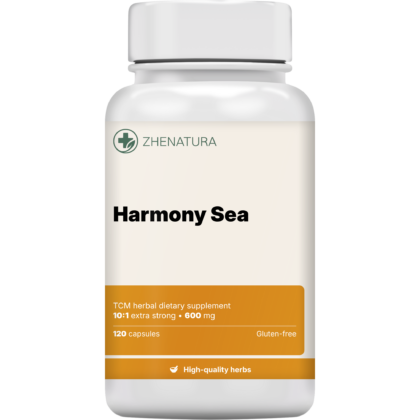
Harmony Sea
-
Log in to view price

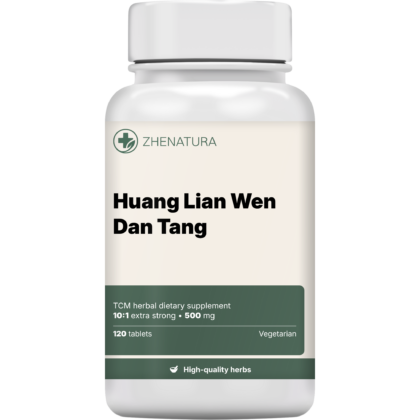
Huang Lian Wen Dan Tang
-
Log in to view price

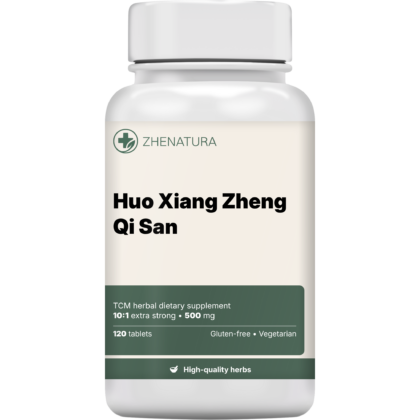
Huo Xiang Zheng Qi San
-
Log in to view price
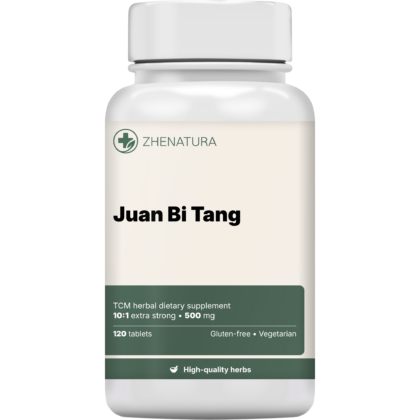
Juan Bi Tang
-
Log in to view price

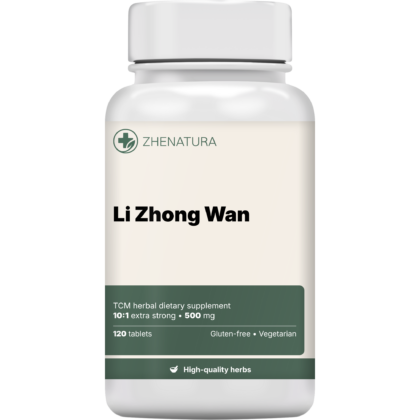
Li Zhong Wan
-
Log in to view price

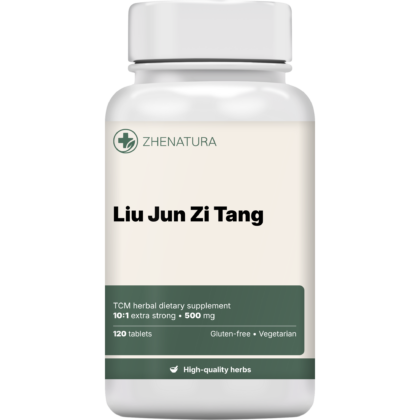
Liu Jun Zi Tang
-
Log in to view price
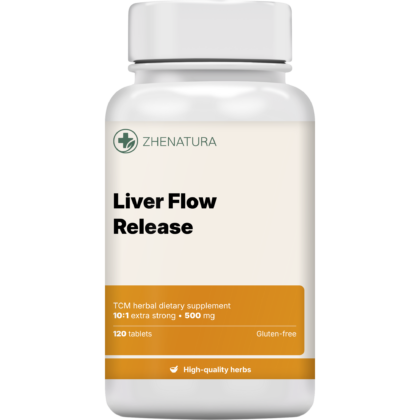
Liver Flow Release
-
Log in to view price
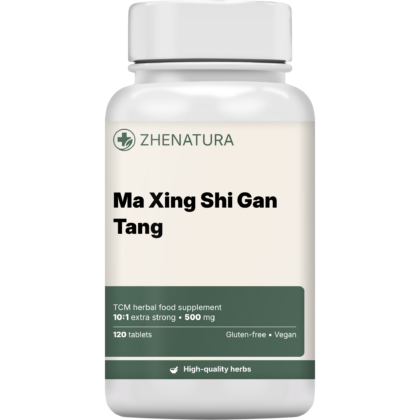
Ma Xing Shi Gan Tang
-
Log in to view price

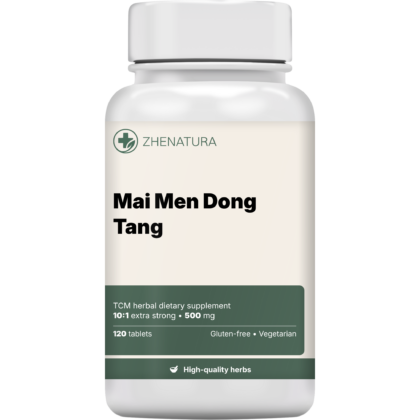
Mai Men Dong Tang
Zhi Gan Cao
Processed Licorice Root (Zhi Gan Cao) – The Root Used in Traditional Systems to Harmonize Formulas and Nourish Vitality
Processed licorice root (Zhi Gan Cao) is the traditional Chinese medicine name for the dried root of Glycyrrhiza uralensis or Glycyrrhiza glabra that has been carefully roasted with honey. Used for thousands of years in traditional East Asian herbal systems, it is famously known as the “peacemaker” among botanicals. It is regarded as a gentle, nourishing herb with warm properties, particularly suitable for formulas aimed at harmonizing the effects of other ingredients, supporting digestion, and promoting a steady, calm energy.
Traditional Understanding in TCM Systems
Within traditional Chinese medicine, processed licorice root (Zhi Gan Cao) is described as a sweet herb with warm properties. In the TCM theoretical framework, it acts primarily on the Heart, Lung, Spleen, and Stomach meridians. According to this traditional description, the honey-roasting process enhances the root’s ability to tonify the so-called “Qi” (vital energy), nourish the Heart to restore a steady pulse, and gently moisten the Lungs.
In TCM formulas, processed licorice root (Zhi Gan Cao) is seen as an essential harmonizing agent that softens the harsh or toxic properties of other botanicals, helping them work together smoothly. It is traditionally used to ease spasms, soothe physical tension, rebuild core digestive strength, and calm a restless heart.
Botanical Composition and Research
Processed licorice root (Zhi Gan Cao) contains a complex profile of triterpenoid saponins (most notably glycyrrhizin), flavonoids (such as liquiritin), polysaccharides, and coumarins. This phytochemical composition is connected in traditional applications with deep support for gastrointestinal mucosal health and balanced adrenal function.
Modern scientific research shows that processed licorice root extracts can offer specific benefits. Studies show that processed licorice root (Zhi Gan Cao) preparations:
-
Support normal digestive comfort and healthy gastrointestinal mucosal linings
-
Help promote normal adrenal function and a balanced stress response
-
Can support cardiovascular regularity and a steady pulse
-
Possess anti-inflammatory and soothing properties for the respiratory tract
-
Offer antioxidant activity that helps combat cellular stress
-
Can help ease muscle spasms and physical tension
Scientists particularly investigate how the glycyrrhizin and flavonoids of this root can naturally prolong the half-life of cortisol, thereby supporting the body’s resilience during periods of prolonged stress and fatigue.
Traditional Applications – TCM Context
In traditional TCM formulas, processed licorice root (Zhi Gan Cao) is classically used in situations described as:
-
Palpitations, irregular pulse, or a feeling of an unsettled heart
-
Chronic fatigue, weakness, or shortness of breath
-
Sluggish digestion or poor appetite linked to systemic depletion
-
Muscle spasms, particularly sudden tension in the legs or abdomen
-
Dry, persistent cough or a scratchy throat
-
A need to balance or moderate the strong effects of other herbs in a formula
These are traditionalist descriptions that form part of the TCM thinking system and must not be equated with medical diagnoses in the sense of European medicinal product law.
Well-being and Daily Use
Processed licorice root (Zhi Gan Cao) is valued by modern users as part of a conscious wellness routine aimed at adrenal support, digestive comfort, and sustained energy, especially for individuals recovering from burnout, prolonged stress, or systemic exhaustion. Because of its harmonizing nature, the herb works optimally as a supportive element within balanced herbal mixtures, combined with a nutrient-dense diet, adequate hydration, and restorative rest.
Many users see processed licorice root (Zhi Gan Cao) as part of a gentle, long-term approach to foundational vitality and balance – as a supportive element in traditional routines, alongside professional guidance and regular medical care when needed.